Transform Your Home: Discover European Decluttering Secrets!
Stop for a moment and listen to the sound of your living room. Is it whispering peace, or is it shouting a million tiny tasks at you?
Most people in the United States live in houses that are essentially warehouses for things they might use someday, but that someday rarely arrives. We have been conditioned to believe that more space requires more things to fill it, yet the opposite is true.
True luxury is not a house full of stuff. It is the physical and mental space to move, think, and breathe.
I remember watching my mother back in our home in Hungary. Every spring and autumn, she performed a ritual that felt almost sacred. She did not just clean, she edited.
She looked at every object in our home with a critical but loving eye. If a tool was broken, it was fixed or repurposed. If a linen sheet was worn, it became a rag. There was no junk drawer because every square inch of our small home had to justify its existence.
To her, a cluttered room was a sign of a cluttered spirit. She used to say that you cannot cook a good meal in a kitchen that is still holding onto yesterday’s crumbs. I did not understand the depth of that wisdom until I found myself overwhelmed by a modern, consumerist lifestyle.
The Myth of the Perfect Organization System
We need to address the elephant in the room: you cannot organize your way out of a clutter problem. This is where most people get stuck.
We go to a big-box store, buy twenty beautiful plastic bins and an elaborate labeling machine, and think we have solved the issue. All we have actually done is create an organized museum of things we do not need. The secret to minimalist home organization is not finding better storage. It is having less to store in the first place.
When you start the journey of learning how to declutter your home, you must be a ruthless gatekeeper. Every item you own is a silent contract that demands your time, energy, and even your money for maintenance.
Why are we paying rent with our peace of mind for items we do not even like? In Europe, we often live in much smaller apartments than those in the American suburbs, which forces us to be intentional. We choose quality over quantity because there simply is not room for the filler.
Why You Should Never Start with Sentimental Items?
Most decluttering gurus tell you to follow your heart, but I am going to tell you the opposite.
Never, under any circumstances, start your decluttering journey with your old photos, high school journals, or your grandmother’s lace napkins. Your decluttering muscle is weak in the beginning. If you start with sentimental items, you will be exhausted and emotional within twenty minutes, and you will give up.
Instead, start with the most impersonal, boring place in your house: the bathroom cabinet or the junk drawer.
These are zones of utility, not emotion. When you throw away a bottle of expired sunscreen or a broken rubber band, you do not feel grief. You feel a tiny hit of dopamine.
This builds the momentum you need for the bigger battles ahead. The goal is to train your brain to recognize that letting go feels better than holding on.
Room-by-Room Decluttering Strategy
1.) Kitchen: The Heart of the Flow
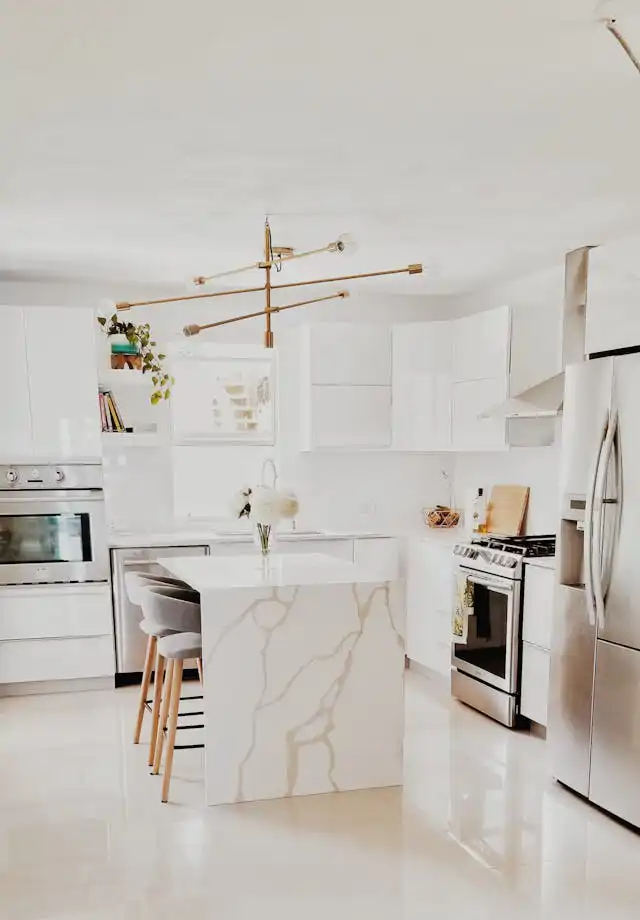
The kitchen is the most high-traffic area in any Western home. Start by clearing your countertops completely. A clear countertop is not just an aesthetic choice. It is a psychological signal that the work of the day is manageable.
Apply the one-in, one-out rule here religiously. If you buy a new air fryer, the old toaster oven that you have not used since 2024 has to find a new home. Focus on minimalist home organization by grouping like items together – all your baking supplies in one spot, all your spices in another.
If you have five wooden spoons, ask yourself if you have ever cooked five pots of soup simultaneously.
2.) Bedroom: Your Nervous System’s Sanctuary
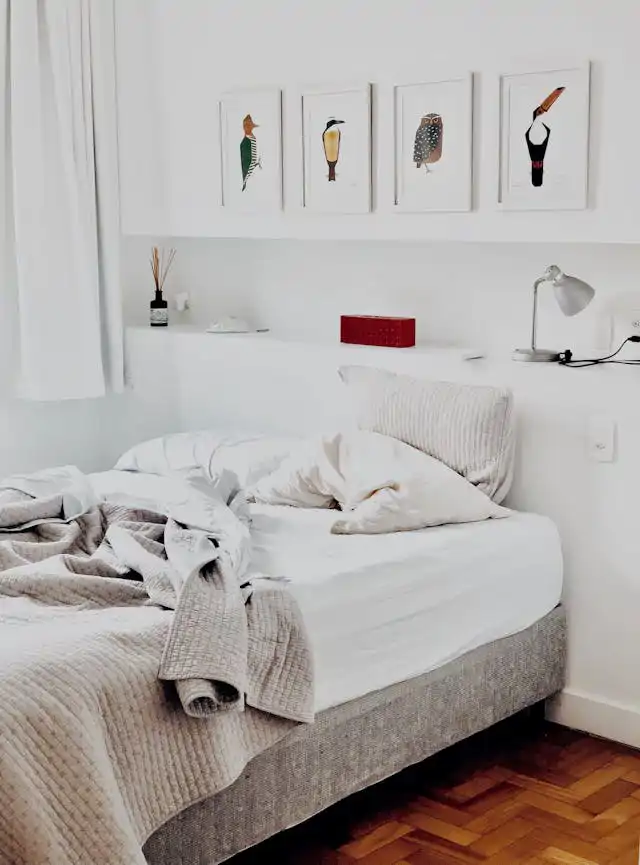
Your bedroom should be the place where your nervous system goes to power down. If you are sleeping in a room filled with laundry piles and half-finished projects, you are not truly resting.
Simplify your life by removing anything from the bedroom that is not related to sleep or intimacy. This includes exercise equipment, work laptops, and the maybe pile of clothes on the chair.
According to research on Environmental Psychology and Cortisol, people living in cluttered environments have higher stress hormones and experience more sleep disturbances.
3.) Living Area: Space for Connection
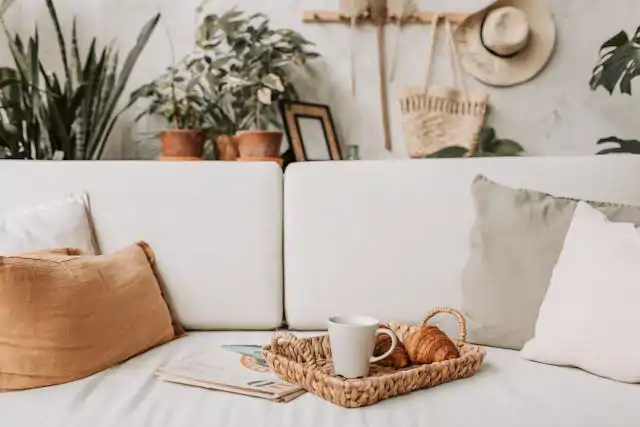
The living room is for living, not for storing. The American people often see coffee tables covered in magazines and shelves groaning under the weight of dust collectors.
Take everything off your shelves. Only put back the items that truly mean something to you. This is what I call the European Museum approach. Every object should have a story or a specific beauty that earns its place in your sightline.
The Minimalist Flow: Your Practical Decluttering Checklist
To move from the “someday” mindset to actual peace, use this decluttering checklist. Follow the European rule: if a thing is not useful or beautiful, it has no place in your home.
Kitchen
Clear the counters: Only daily essentials (like the coffee maker) stay out.
Purge the duplicates: You do not need three garlic presses or ten identical mugs.
Check expiration dates: This includes the sauces in the back of the fridge and old cleaning supplies.
The Tupperware Test: Toss any container without a matching lid.
Living Room
Surface sweep: Clear the coffee table and mantels. Leave negative space for your eyes to rest.
Digital & Media detox: Old magazines, tangled cables, and scratched DVDs must go.
Edit the “dust collectors”: Hold every ornament. If it does not spark a beautiful memory, let it go.
Bedroom & Closet
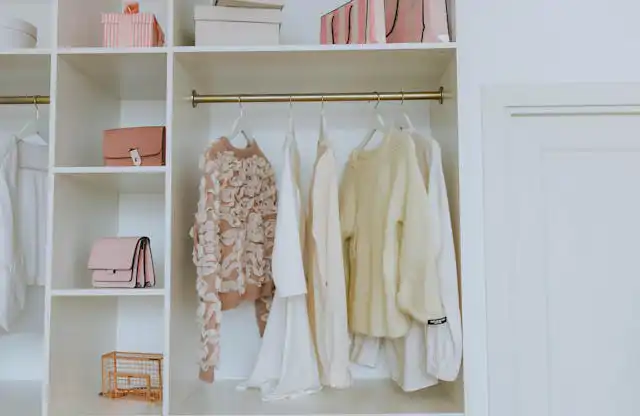
The 12-Month Rule: If you have not worn it in a year, you likely never will.
Comfort Check: Get rid of shoes that hurt and “goal” clothes that make you feel guilty.
Nightstand Diet: Keep only a lamp, water, and the book you are currently reading.
Bathroom
Beauty Audit: Dried nail polishes, expired samples, and products that did not work for your hair.
Towel Minimalization: Two sets of towels per person is plenty. Donate the extras to an animal shelter.
Why Americans Struggle More with the “Someday” Trap
There is a specific cultural phenomenon in North America known as the „just in case syndrome”.
Because space is often cheaper and more available than in Europe, it is easy to tuck things away in a basement or a garage. We tell ourselves that we might need those old paint cans, those extra chairs, or those boxes from our last move.
But here is the reality check: if you have not needed it in the last year, the cost of storing it – mentally and physically – is higher than the cost of replacing it if that one-in-a-million someday ever happens.
Think of your home as a river. For the water to be clean and fresh, it must flow. When you stop the flow with piles of unused items, the energy in your home becomes stagnant.
This is why decluttering tips for beginners always emphasize the need to move items out of the house immediately. Do not let the donation bag sit in your hallway for three weeks. The process is not finished until the clutter has physically left your property.
The Reality of Maintenance and the Daily Reset
How do you stop the mess from coming back after you have completed your room by room decluttering?
The answer is a daily reset. Every evening, spend ten minutes returning your home to its baseline. This is not deep cleaning; it is just putting things back where they belong. In my home, this happens right after dinner.
It is a quiet, rhythmic process that prepares the space for the next morning. It is an act of kindness toward your future self.
Furthermore, adopt a gatekeeper mindset for all new purchases. Before anything enters your home, ask:
- Where will this live?
- How will I maintain it?
- Does this serve my flow, or does it just fill a void?
When you start asking these questions, you realize how much of our shopping is just a response to stress or boredom. According to the American Psychological Association, consumerism is often a coping mechanism for underlying anxiety.
By choosing less, you are choosing mental health.
Why You Should Keep the “Weird” Stuff
Here is another unconventional thought: minimalism is not about living in an empty white box.
If you have a collection of antique teacups that truly makes your heart sing, keep them. Minimalism is about removing the things you do not care about to make room for the things you do.
If your home feels sterile and lacks personality, you have gone too far. Your home should tell the story of who you are, not who a minimalist influencer told you to be.
My mother’s home was never empty. It was filled with the scent of dried herbs, handmade lace, and well-used wooden furniture. But it felt light because everything in it was cherished. That is the goal.
You want to walk into your home and feel a sense of relief, not a sense of guilt.
You might also enjoy this on the blog
- 10 Simple Minimalist Habits for a Calm Home
- 5 Minimalist Garden Project Ideas for Summer: Create Your Own Dream Garden
- 10-Minute Daily Cleaning Routine for Tired Moms: Small Habits for a Peaceful Home
- Transform Your Home: Discover European Decluttering Secrets!
- How to Declutter Your Home: 12 Creative Decluttering Tips with Kids
The Transformation Beyond the Walls
Living in a decluttered home does not mean your life will be perfect, but it does mean you will be better equipped to handle the imperfections.
When the world is chaotic, having a home that is a sanctuary is the ultimate competitive advantage. You will spend less time looking for your keys and more time looking for your joy. You will spend less money on stuff and more money on experiences that actually build your character.
My mother was right all those years ago. You cannot build a beautiful life on top of a mess. You have to clear the ground first. Whether you live in a sprawling house in Texas or a tiny apartment in London, the principles remain the same.
Simplify your life, clear your space, and watch how your internal world begins to mirror the peace of your external one.
The Ultimate Reality Check for Your Home
Do you own your things, or do your things own you? If you are spending your Saturdays organizing your clutter instead of enjoying your life, you know the answer.
- Take one trash bag today.
- Go to the one room that makes you the most stressed.
- Fill that bag. Do not look back.
The flow is waiting for you on the other side of that pile.
One important question for you:
What is the one item you are most afraid to let go of, and why? Let’s talk about the emotional side of clutter in the comments—I am here to help you through the messy parts of finding your minimalist flow.
More You’ll Love



One Comment