Stop Buying Storage Bins You Don’t Need: The Only Organizing Container That Actually Matters
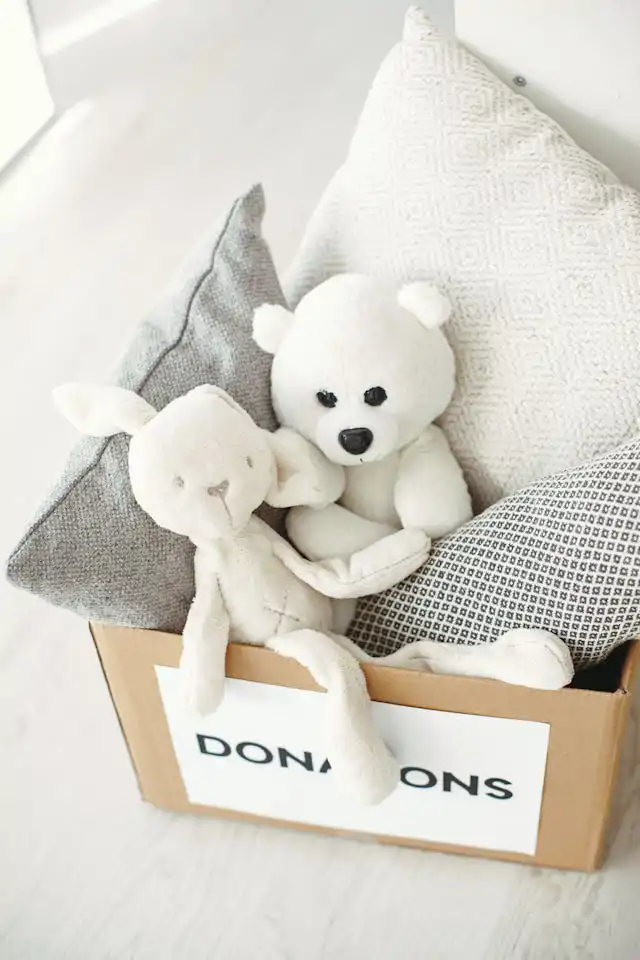
If you have been buying storage bins, baskets, and organizing containers hoping they will finally fix the clutter in your home, there is something important we need to talk about. The single most powerful organizing container you can own is not a labeled bin from a home store. It is a donate box, and it costs nothing.
In this post, we are getting into why the most effective organizing idea for the home is not about buying more containers, what actually makes clutter stick around, and how one simple cardboard box changed the way we think about home organization for good.
Try This Right Now: The 60-Second Organizing Hack
Go find any cardboard box in your home. It does not have to be pretty. It does not need a label.
Place it somewhere you pass every single day, your bedroom doorway, the hallway, the corner of the living room.
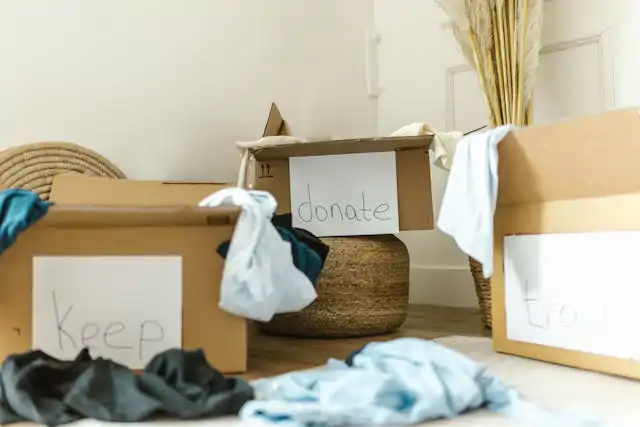
Every time you walk past something you no longer use, love, or need, put it in the box. When the box is full, take it to a local donation center. Then start again. That is the whole system.
What You Will Find in This Guide
- Why storage bins are not the solution to clutter, and what actually is
- The real reason our homes keep filling up no matter how much we organize
- How a donate box works as the most effective organizing container for small spaces and large ones alike
- The personal story behind why even committed minimalists struggle to let go
- A simple, saveable checklist to start your donate box system today
The Organizing Industry Does Not Want You to Know This
The global home storage bin market was worth nearly 10 billion dollars in 2021. By 2025, it had already grown to over 11 billion. Projections show it reaching close to 15 billion by 2033.
Think about that for a moment. We are collectively spending billions of dollars every single year on containers to hold the things we already own.
And yet, according to the UCLA Center on Everyday Lives of Families, the average American home contains over 300,000 items. Garages are so full of stored belongings that 25 percent of households with two-car garages cannot fit a single car inside.
We do not have an organizing problem. We have a volume problem. And no amount of beautifully labeled bins will solve a volume problem.
As Courtney Carver of Be More With Less puts it simply: if organizing was the solution, don’t you think you’d be done by now?
She is right. Most of us have been organizing and reorganizing the same things for years. The bins get prettier. The labels get more specific. And the clutter stays exactly where it was.
Why Even Minimalists Struggle to Let Go: A Personal Story
I genuinely consider myself a minimalist. I am not sentimental about most things. Old magazines, worn-out kitchen gadgets, clothes I stopped wearing two seasons ago: gone, no hesitation.
But children’s clothing? That is a completely different category.
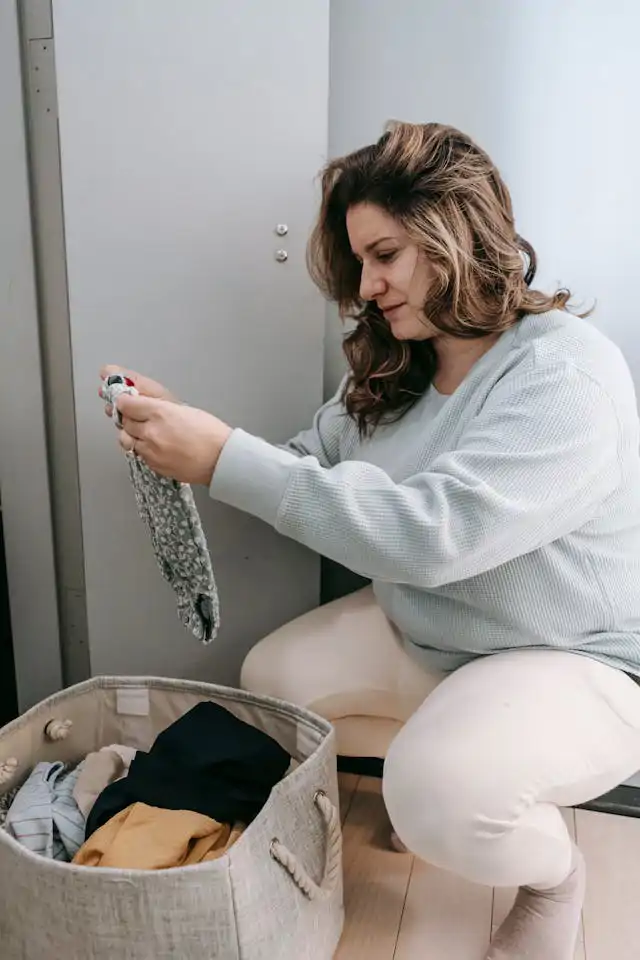
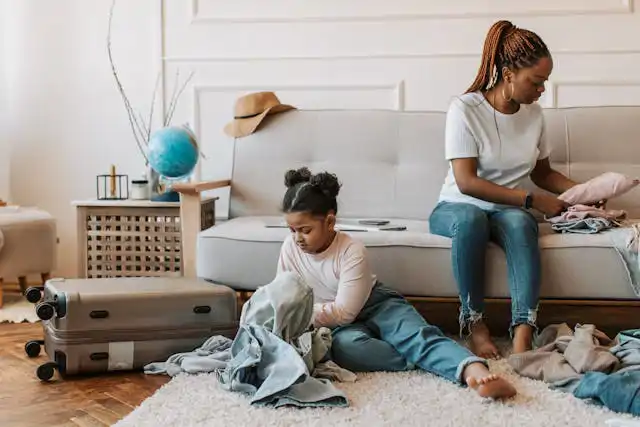
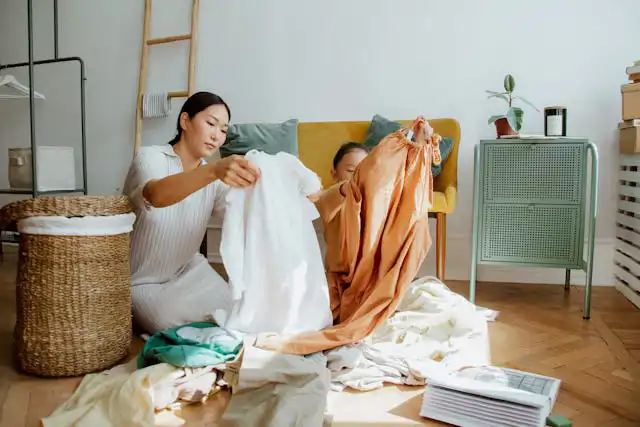
Over the years, a truly impressive pile of kids’ clothes accumulated in our home. Every tiny outfit carried a memory attached to it. The little striped sweater from the first winter. The dress worn to a birthday party. The pajamas that were worn so many nights in a row they practically held the shape of a sleeping child.
I could not just throw them away. But I also could not keep pretending the overflowing shelf in the back of the closet was not a problem.
So they sat there. Season after season. Taking up space. Getting shuffled around every time we needed to find something else. The shelf got more crowded, and the new things had nowhere to go.
The turning point came when I finally accepted that keeping those clothes hidden in a closet was not honoring the memories attached to them. It was just storing a problem I was not ready to face.
I found a local donation organization in our area, packed everything up, and dropped it off. The relief was immediate and physical. Like setting down something heavy I had been carrying without realizing it.
Those clothes went to children who needed them right now. That felt a hundred times better than a packed shelf.
Why Organizing Tips and Hacks Keep Failing You
There is a pattern that plays out in almost every home, and it probably sounds familiar.
You decide the spare room, the junk drawer, or the kids’ toy area is out of control. You watch a few videos, pick up some organizing containers, spend a whole Saturday sorting and labeling. It looks incredible. You feel amazing.
Three months later, it looks exactly like it did before.
This is not a failure of effort or motivation. It is a failure of method. Organizing rearranges things. It does not remove them. Every item you sort into a bin is still in your home, still taking up physical and mental space, still needing to be moved, cleaned around, and reorganized again the next time.
Think of it this way: organizing is like rearranging the furniture in a room that is too small. You can try every possible configuration, but until you remove some of the furniture, the room will always feel cramped.
The only organizing idea that creates permanent change is the one that reduces what you own, not the one that stores it more neatly.
The Donate Box: The Best Organizing Container for Your Home
The donate box is not a new idea, but it is one of the most underrated organizing hacks for the home.
Here is why it works when everything else does not: it removes things permanently. When something goes into the donate box and leaves your home, it is gone. You never have to organize it again. You never have to find a new spot for it. The space it occupied is yours, for good.
Donating is the only organizing method that is genuinely permanent. Every bin you buy, every drawer divider, every labeled basket still requires maintenance. The donate box eliminates the need for maintenance entirely, because the item no longer exists in your home.
There is also something that happens emotionally when you donate regularly. Y
ou start to see your belongings differently. Instead of asking where should this go, you start asking whether it should be here at all. That shift in thinking is what separates people who stay organized from people who are always catching up.
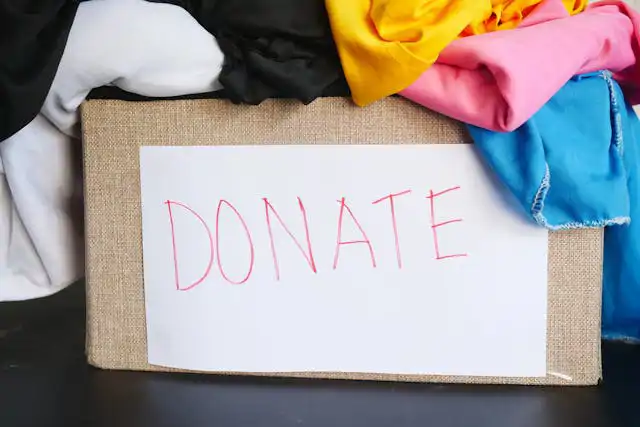
How to Set Up Your Donate Box System for Organizing Ideas for Small Spaces and Large Homes
The beauty of this system is that it requires almost nothing to start.
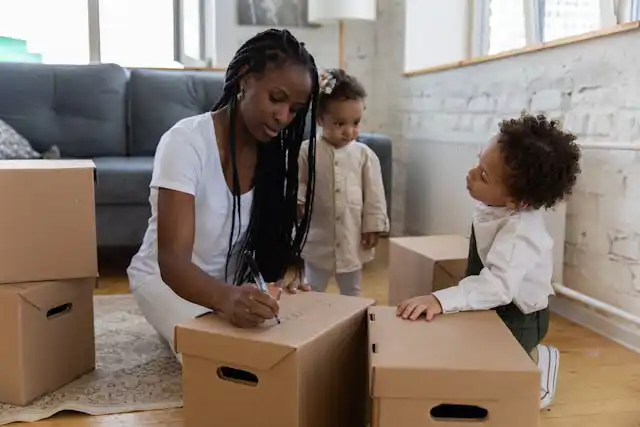
- Find any box. A plain cardboard box is perfect. You do not need to buy anything. A paper bag works too. The point is to have a dedicated, physical space for things that are leaving.
- Place it somewhere you actually walk past. Not in a storage room you visit once a month. Put it in the hallway, near the front door, in the corner of your bedroom. Visibility is everything.
- Make the rule simple: if you notice it and do not need it, in it goes. No deliberating, no maybe piles, no waiting for a better time. The moment you think I never use this, that is the moment it goes in the box.
- When the box is full, take it out immediately. Do not let it sit. A full donate box waiting in the corner becomes invisible within a week. Take it to your nearest donation center the same day or the next morning.
- Start again. Get a new box and begin. Some people find they fill a box every week at first. Others go months between trips. Both are completely fine.
The donate box works particularly well as an organizing idea for small spaces, where every square foot matters and there is simply no room to store things you are not actively using.
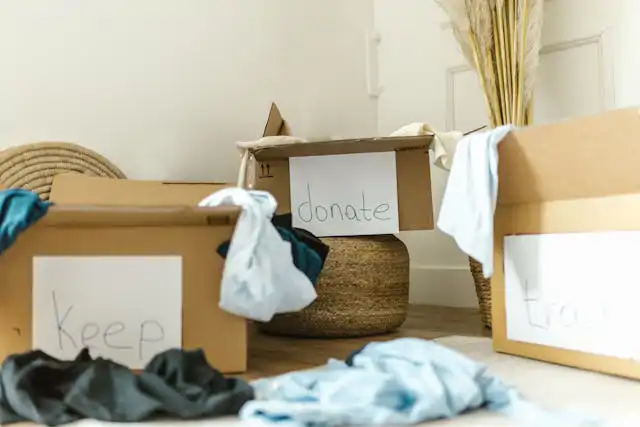
What Actually Goes in the Donate Box: Organizing Ideas for the Home Declutter
One of the most common questions people have when they start this system is what actually qualifies for the box. The answer is simpler than you might think.
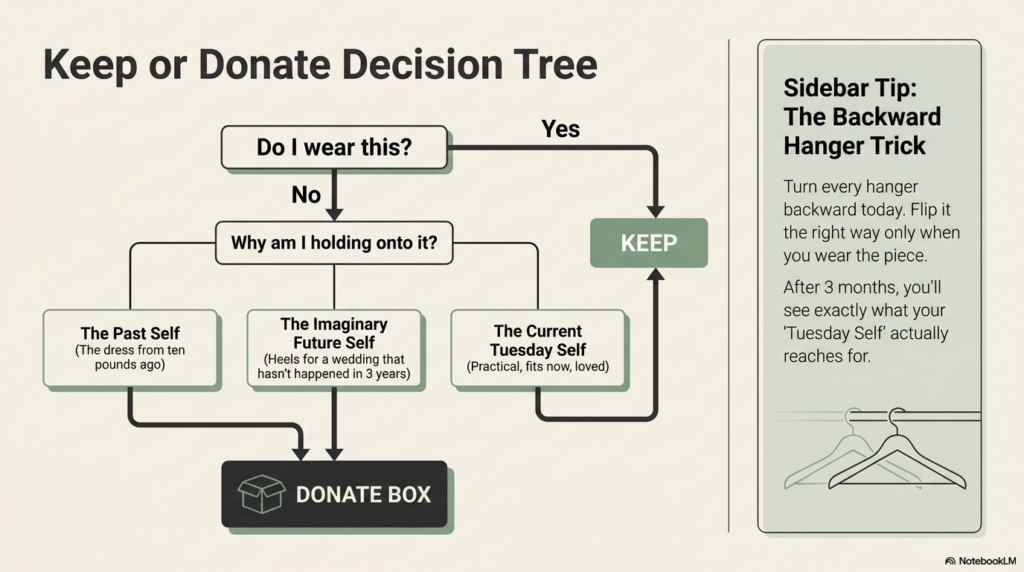
If it has been sitting in a drawer, closet, or shelf without being touched for six months or more, it goes in the box.
If you own multiples of the same thing and only use one, the extras go in the box. If you kept it thinking you would fix it someday, and someday has not arrived, it goes in the box.
Clothing is often the easiest place to start. According to research shared by The Minimalism Foundation, the average person wears about 20 percent of their wardrobe 80 percent of the time. The remaining 80 percent is just taking up closet space and making it harder to find the things you actually love.
Children’s clothes are often harder, and that is completely understandable. They carry so much more than fabric. But once they leave your home and go to a child who genuinely needs them right now, the feeling is lighter than you expect.
Kitchen items, books, decorative objects, sports equipment used twice and then forgotten, toys your kids outgrew two years ago: all of these are donate box material.
The goal is not to strip your home down to nothing. The goal is to keep only what you actually use, love, and need, and to let the rest do some good somewhere else.
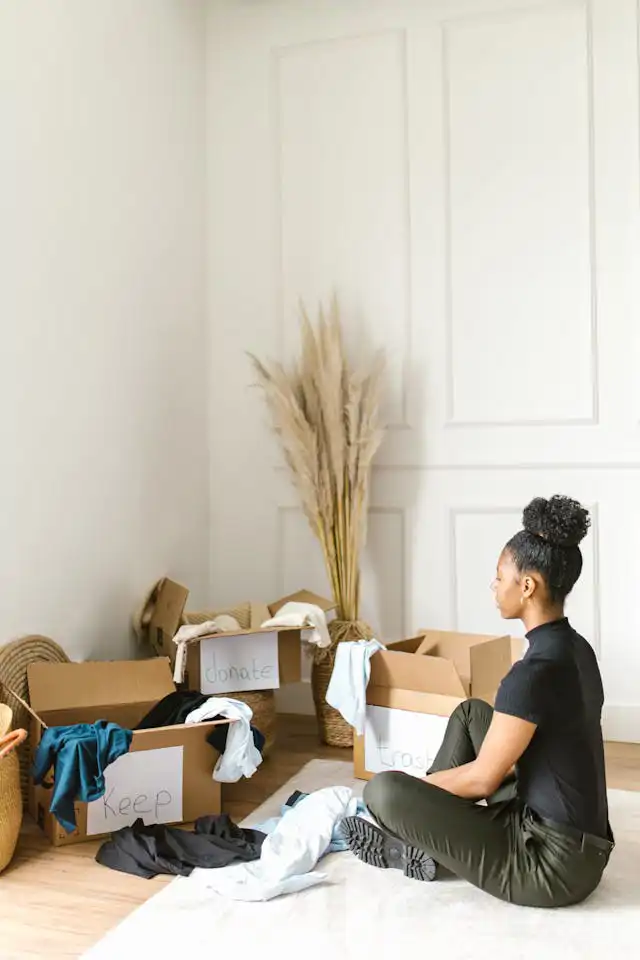
Your Donate Box Starter Checklist: Save This for Later
Pin this checklist so you can come back to it whenever you feel the urge to buy another set of storage bins.
- Find a box or bag and place it somewhere visible in your home today
- Walk through one room and look for anything you have not used in six months
- Check your wardrobe for clothes that no longer fit, feel good, or get worn
- Look in the kitchen for duplicate tools, gadgets, or items stored out of reach
- Go through the kids’ rooms for outgrown clothes, unused toys, and forgotten books
- Check the garage or storage area for items kept out of obligation rather than use
- When the box is full, take it to a local donation center the same day
- Find a local organization that accepts the specific items you are donating, clothes, toys, kitchenware
- Start a new box immediately after and keep the cycle going
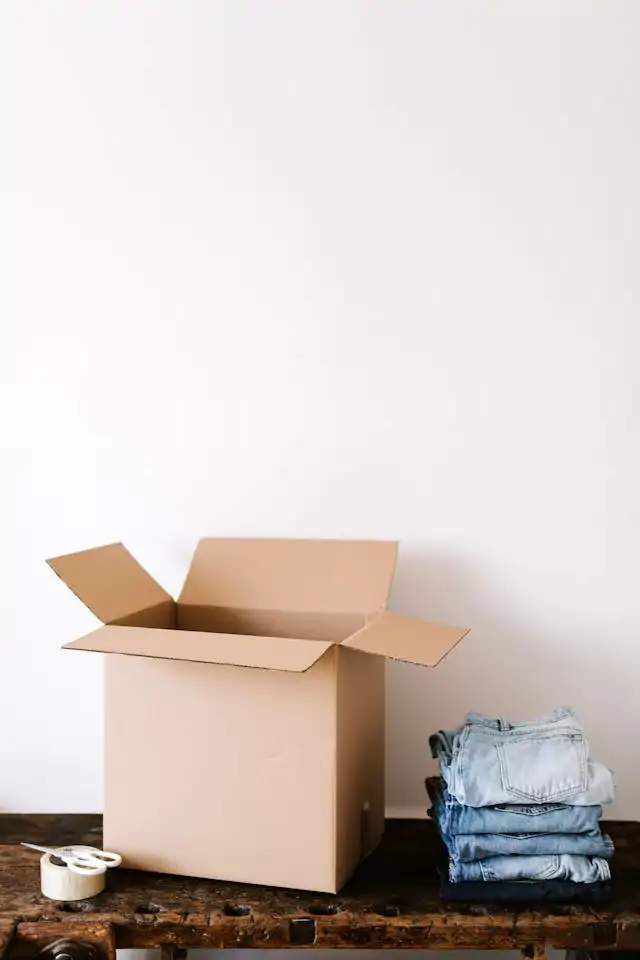
Start Right Now: Three Small Actions for Today
In the next five minutes: Find any box or bag in your home and place it somewhere you will see it every day.
Today: Walk through one room only, not your whole house, and put anything you spot that you do not use into the box. One room. Ten minutes maximum.
This week: Find your nearest donation center and note the address and drop-off hours. Having the logistics figured out in advance removes the biggest barrier to actually going.

What Readers Often Wonder About Donate Bins and Organizing Ideas for the Home
1. Do I really need to donate everything, or can I sell things instead?
Selling is a great option for items of real value. But for the average item that has been sitting unused in your home, the time and energy required to list, photograph, message buyers, and arrange pickup often outweighs the money you make. For everyday clutter, donating is faster, easier, and honestly just as satisfying.
2. What if I donate something and then regret it?
This happens very rarely once you get into the rhythm of donating. Most people find they never think about donated items again. And if you do miss something, consider whether you could find a similar version secondhand rather than holding onto dozens of things just in case you miss one of them.
3. What is the best type of donate box to use?
Any cardboard box works perfectly. You do not need a special organize container for this. A paper grocery bag, a reusable tote, a laundry basket you no longer use. The simpler and more accessible it is, the more likely you are to use it consistently.
4. How is a donate box different from just decluttering?
The donate box turns decluttering from an event into a habit. Instead of doing one massive declutter every few months, you are continuously removing things in small amounts. It is much less overwhelming and keeps your home at a consistently manageable level.
5. What about items with sentimental value, like children’s clothing?
These are genuinely harder, and there is no shame in that. A few strategies that help: keep only the pieces that carry the strongest memories, take a photo of the rest before donating, or look for organizations that specifically help children in need. Knowing exactly where something goes makes it easier to let go.
6. Can this system work as an organizing idea for small spaces?
It works especially well in small spaces, because small spaces cannot absorb clutter the way larger homes can. A donate box in a small apartment creates an almost immediate sense of breathing room. When you have less square footage, every item that leaves has a noticeably bigger impact.
7. How often should I empty the donate box?
As often as it fills up. Some people fill one every week when they first start. Others take a month or two. The only rule is that you take it as soon as it is full, not let it sit indefinitely.
8. What if other people in my household are not on board?
Start with your own belongings and your own spaces. Do not pressure anyone else. In most cases, when they see how much lighter your areas feel, the idea spreads naturally. Lead by example and give it time.
9. Is it better to have one donate box or multiple?
Many people find one central box easier to manage. Others prefer a box in each room. Try one first and see how it feels. The location matters more than the number: put it somewhere you pass often.
10. What if I feel guilty donating things that were gifts?
The gift was the gesture of giving, not the object itself. Keeping something out of guilt does not honor the person who gave it to you. Donating it to someone who will genuinely use it is actually a far more meaningful second chapter for that item.
Recommended Reading
- 9 Gentle Ways to Master Your Morning Routine for a Bad Mood
- The Art of Slow Productivity: How to Achieve More by Doing Less
- Kickstart Your Week with This Simple Sunday Reset Checklist
There is something quietly powerful about letting things go. Not just the physical space it creates, but the mental weight that lifts when you stop managing, storing, and reorganizing things you were never really using.
Those children’s clothes I finally donated did not disappear. They went somewhere they were needed. And the shelf they left behind finally had room for what belongs there now.
You do not need more storage bins. You need one honest box and the willingness to fill it.
What is the one thing in your home right now that you already know should go in the box?





9 Comments