17 Natural Cleaning Solutions That Work Room by Room (And Why I Stopped Buying Chemical Cleaners)
If you are tired of opening the cleaning cupboard and being hit with the smell of ten different chemical products, every one of them promising to be the best at one specific thing, this post is for you.
In this guide, I am sharing 17 natural cleaning solutions that cover every room in the house, work with ingredients you already have, and leave nothing behind but a genuinely clean space.
When I was a little girl, I spent a lot of time at my grandmother’s house in a small Hungarian village. She was a meticulous woman. Everything had its place and its time, including the weekly cleaning.
Every week, without fail, she would go through the house with the strongest chemical cleaners she had. The smell was so sharp it made your eyes water. She would send us children out to the yard to play, not because she wanted us out of the way, but because she genuinely worried it was not safe to breathe while she worked. That memory has stayed with me.
When I had my own children, I made a decision quietly, without any announcement: I was going to clean differently. I wanted a clean home. I did not want the smell. I did not want to send my kids outside so I could mop the floor. And I did not want to keep buying plastic bottle after plastic bottle of things that were slowly building up under my sink like a small, wasteful collection.
It took time to figure out what actually works. Some natural cleaning solutions are excellent. Some are overhyped. The 17 in this list are the ones that have stayed in my routine because they genuinely do the job, without compromise.
What You Will Find in This Natural Cleaning Solutions Guide
- 17 natural cleaning solutions organized by room and surface
- The science behind why they work, in plain language
- The one combination to avoid (it is the most popular DIY hack and it does not work)
- Extra tips for each method that make the difference between okay and genuinely clean
- A starting kit of four ingredients that replaces most of what is under your sink
What You Need to Get Started With Natural Cleaning
Four ingredients. That is the honest answer.
- White vinegar: acidic, dissolves mineral deposits, limescale, soap scum, and grease
- Baking soda: mildly alkaline, gentle abrasive, absorbs odors rather than masking them
- Liquid castile soap: plant-based, surfactant, good for floors and general cleaning
- Lemon: antibacterial, cuts grease, leaves a clean scent without any synthetic fragrance
Optional additions: rubbing alcohol for disinfection, coarse salt for scrubbing, tea tree oil for mold prevention. That is the complete toolkit. Every solution in this list is made from some combination of these.
One important note before we start: do not mix vinegar and baking soda and expect a cleaning result. The fizzing reaction looks effective, but it neutralizes both ingredients and leaves essentially salt water. Impressive-looking. Not particularly useful. Use them separately, on different tasks, and both work significantly better.
This is confirmed by Live Science’s chemistry breakdown of why these ingredients work, and by a PubMed study on the antimicrobial activity of home disinfectants which assessed how natural products perform against real pathogens compared to commercial disinfectants.
Natural Cleaning Solutions Are Not a Compromise
There is a version of this conversation where natural cleaning solutions are presented as the slightly less effective but more virtuous option. You accept that things might not be quite as clean because you are making an environmental choice. I disagree with that entirely.
White vinegar removes limescale better than most commercial descalers. Baking soda deodorizes fabric more effectively than any scented spray, because it absorbs rather than masks.
A lemon and salt scrub leaves a wooden cutting board cleaner and safer than most kitchen sprays. These are not compromises. They are better solutions for most household cleaning tasks.
Where commercial products genuinely win is in broad-spectrum disinfection. If you need to disinfect after illness or after handling raw meat, a proper disinfectant is the right tool.
For everyday cleaning, natural solutions do the job. Knowing the difference is what makes this practical rather than ideological.
For more on the slow living approach to a genuinely functional home, including how to build a cleaning routine that does not take over your week, the kitchen cleaning hacks guide is a good starting point.
Pro Tip
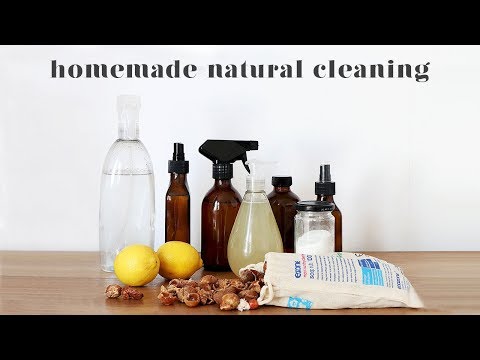
Right now, mix one part white vinegar with one part water in any spray bottle you have.
Label it. Put it on the kitchen counter. That is your all-purpose natural cleaning solution for the next two weeks. Use it on counters, inside the microwave, the stovetop when cool, tile, glass.
Notice how many surfaces it handles before you need anything else.
What the Research Says About Natural Cleaning Solutions for the Home
The chemistry is straightforward. Vinegar, with a pH of 2 to 3, is an acid that dissolves alkaline deposits like limescale and soap scum. Baking soda, a mild base, reacts with acidic substances and acts as a gentle abrasive that lifts grime without scratching. Lemon juice adds antimicrobial properties and cuts through oil-based residue.
Cornell University’s guide to homemade cleaning products gives a clear, well-sourced overview of what each natural ingredient does and which surfaces it works on. It also covers the safety notes, including what not to combine and why.
And for a direct comparison, this research from UBC comparing homemade and commercial cleaners shows that homemade cleaning solutions perform comparably to commercial products on most standard household cleaning tasks, with the commercial products maintaining an edge specifically on full disinfection.
17 Natural Cleaning Solutions for the Home, Room by Room
Kitchen
1. All-Purpose Counter Spray With Vinegar and Lemon
One cup white vinegar, one cup water, the peel of one lemon, steeped for 48 hours in the bottle before using. This is the natural cleaning solution that replaces most of what is under my sink.
It cleans counters, cabinet fronts, the outside of appliances, tiles, and even the inside of the microwave. The lemon softens the vinegar smell and adds its own antibacterial effect. After two days of steeping, the spray genuinely smells pleasant.
Why it works: The vinegar breaks down grease and bacteria. The lemon oil from the peel adds antimicrobial properties and a scent that is clean without being chemical.
Extra tip: Make a larger batch and store it in a glass jar. Pour into the spray bottle as needed. It keeps for two weeks at room temperature without losing effectiveness.
2. Baking Soda Paste for Stovetop Grease
Mix baking soda with a small amount of castile soap and just enough water to form a paste with the texture of thick yogurt. Apply to the stovetop, leave for five minutes, scrub gently with a damp cloth.
This is the most effective natural cleaning solution for the home when it comes to dried-on cooking grease, the kind that a spray and a quick wipe will not touch.

Why it works: The baking soda provides gentle abrasion that lifts the grease mechanically. The castile soap emulsifies it so it wipes away cleanly.
Extra tip: Apply this paste while the stovetop is still slightly warm from cooking. Warmth softens the grease and cuts the soaking time significantly.
3. Vinegar Steam for the Microwave
Fill a microwave-safe bowl with equal parts white vinegar and water plus a few lemon slices. Heat on high for five minutes. Leave the door closed for two more minutes. Wipe down.
Every splattered piece of food inside the microwave comes off with almost no effort. This is probably the fastest return on two minutes of hands-on effort in the whole natural cleaning routine.
Why it works: The steam loosens all the dried food residue. The vinegar adds a cleaning and deodorizing effect. The lemon makes the steam smell like something you actually want to open the door to.
Extra tip: Do this while you are making dinner and something is already warming on the stove. The waiting time does not cost you anything.
4. Lemon and Salt Scrub for Wooden Surfaces
Sprinkle coarse salt on a wooden cutting board or wooden countertop. Rub with the cut side of a lemon, squeezing slightly as you go. Rinse with cold water. Pat dry.
This is the natural cleaning solution for wood that actually works for staining, odors, and surface bacteria. It also does something commercial sprays cannot: it conditions the wood slightly rather than drying it out.
Why it works: The salt acts as an abrasive and draws out moisture and residue from the wood grain. The lemon acid kills surface bacteria and removes staining.
Extra tip: Follow up with a thin coat of food-grade mineral oil on wooden cutting boards. This feeds the wood and prevents the cracking that eventually makes boards unsanitary no matter how well you clean them.
5. Natural Cleaning Solution for Wood Cabinets: Castile Soap and Warm Water
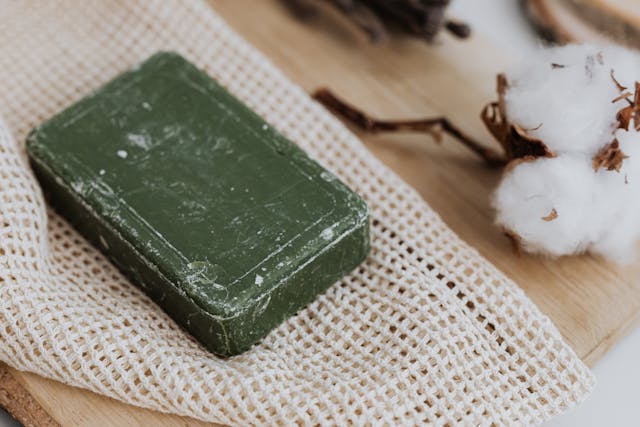
Add a few drops of liquid castile soap to a bowl of warm water. Dampen a soft cloth and wring it out thoroughly. Wipe cabinet fronts, doors, and handles. Follow with a second cloth dampened with plain water. Dry immediately.
This is the correct natural cleaning solution for wood cabinets: gentle enough to clean without damaging the finish, effective enough to remove the cooking grease and fingerprints that accumulate on cabinet fronts near the stove.
Why it works: Castile soap lifts grease without the alcohol or harsh detergents that strip wood finishes. The nearly-dry cloth prevents moisture from sitting on the wood.
Extra tip: Add five drops of lavender or lemon essential oil to the cleaning water. It adds a mild antibacterial effect and leaves the kitchen smelling clean without any synthetic fragrance.
6. Drain Freshener With Baking Soda and Hot Water
Pour half a cup of baking soda into the kitchen drain. Follow with a full kettle of boiling water. Do this once a week as maintenance.
This prevents the slow buildup of grease and food particles that causes slow drains and unpleasant smells. Prevention takes thirty seconds. A blocked drain takes an hour.
Why it works: The baking soda absorbs odors and reacts gently with the fats lining the drain pipes. The boiling water flushes everything through.
Extra tip: For a drain that is already slow, use a cup of baking soda, wait ten minutes, then pour in a cup of white vinegar. The fizzing helps dislodge buildup. Flush with boiling water after the bubbling stops. Use vinegar and baking soda together here on purpose, since the bubbling action is what you want.
Bathroom
7. Vinegar Wrap for Limescale on Faucets
Soak a cloth or a few layers of paper towel in white vinegar. Wrap it around the faucet or shower head. Secure with a rubber band. Leave for thirty minutes to an hour. Remove and wipe.
Limescale dissolves without any scrubbing. This is the natural cleaning solution for bathroom fixtures that I rely on more than anything else, because limescale is the main cleaning challenge in most Central European homes where the water is hard.
Why it works: Vinegar’s acidity dissolves the calcium carbonate deposits that make up limescale. Direct contact for an extended period is what makes it effective, which is why wrapping rather than spraying produces better results.
Extra tip: For the shower head specifically, fill a plastic bag with undiluted vinegar, secure it around the shower head with a rubber band, and leave overnight. Turn on the shower briefly in the morning to flush through the loosened deposits.
8. Baking Soda Paste for Grout
Mix baking soda with just enough water to form a thick paste. Apply to grout lines with an old toothbrush. Leave for ten minutes. Scrub and rinse.
Stained grout lightens noticeably. This is one of the cleaning hacks that feels like it should not work as well as it does, and then it does.
Why it works: Baking soda acts as a mild abrasive on the textured grout surface and reacts gently with the organic staining that accumulates there. No bleach, no fumes.
Extra tip: Apply a grout sealer after the grout has dried completely from cleaning. A sealed grout surface repels future staining and makes the next cleaning significantly easier.
9. Vinegar Spray for Soap Scum
Spray undiluted white vinegar directly onto shower walls, glass doors, and any surface with soap scum buildup. Leave for fifteen minutes. Wipe off with a microfiber cloth.
For mild to moderate buildup, this natural cleaning solution removes soap scum without any scrubbing at all. For heavier buildup, leave it for thirty minutes.

Why it works: Soap scum is an alkaline residue. The acid in vinegar dissolves it chemically rather than requiring mechanical scrubbing.
Extra tip: Use a squeegee on shower walls and glass after every use. This prevents soap scum from building up between cleanings and reduces actual cleaning time to almost nothing.
10. Toilet Deodorizer With Baking Soda
Pour one cup of baking soda into the toilet bowl. Leave for thirty minutes. Scrub briefly and flush.
This is the natural cleaning solution for the home that replaces scented commercial toilet cleaners. It neutralizes odors rather than covering them with fragrance.
Why it works: Baking soda absorbs and neutralizes the acidic compounds responsible for toilet odors. It also provides mild abrasion during scrubbing without damaging the porcelain.
Extra tip: For staining that has built up over time, add a cup of white vinegar after the baking soda has sat. The fizzing action loosens the stain. Wait fifteen minutes, scrub, flush. Use the vinegar after the baking soda, not at the same time.
11. Streak-Free Mirror Cleaner With Vinegar
Spray a solution of equal parts white vinegar and water onto the mirror. Wipe with a dry microfiber cloth or a piece of newspaper.
No streaks, no residue. One of the most underestimated natural cleaning solutions because bathroom mirrors are the surface where commercial glass cleaners most visibly overpromise and underdeliver.
Why it works: Vinegar dissolves the mineral deposits and toothpaste spots that cause streaking. The microfiber cloth or newspaper polishes without leaving lint.
Extra tip: Clean mirrors on an overcast day or in the evening. Direct sunlight dries the solution before you can wipe it, which causes streaking regardless of which cleaner you use.
Living Spaces
12. Upholstery Freshener With Baking Soda and Essential Oils
Mix one cup of baking soda with fifteen drops of essential oil (lavender for bedrooms, lemon for living areas). Sprinkle generously over fabric sofas, chairs, or mattresses. Leave for thirty minutes. Vacuum thoroughly.
This natural cleaning solution removes the embedded odors that fabric furniture accumulates over time, the same odors that scented sprays only cover rather than address.
Why it works: Baking soda absorbs odor molecules. The essential oil transfers lightly to the fabric and fades within a day or two as the baking soda does its work.
Extra tip: Do this every time you wash the sofa cushion covers if you can. The combination of freshened fabric and washed covers is noticeably better than either one alone.
13. Carpet Stain Remover: Salt for Fresh Spills
For any liquid spill on carpet: pour salt directly on the spill immediately. As much as you need to cover the wet area. Leave for five minutes. Vacuum up the salt. Blot the remaining moisture with a clean cloth.
The window for this to work is the first thirty seconds. Acting immediately is the only cleaning tip that matters for carpet stains.
Why it works: Salt draws liquid out of the carpet fibers by osmosis before it penetrates deeper into the pile and bonds with the fiber. After that, you are dealing with a set stain, which is a different problem entirely.
Extra tip: Always blot, never rub. Rubbing spreads the stain outward and pushes it deeper into the carpet. Blot from the outside edge inward.
14. Wood Floor Cleaner With Castile Soap
A few drops of liquid castile soap in a bucket of warm water. Mop with a cloth mop wrung until nearly dry. The key word is nearly.
This is the natural cleaning solution for the home that most wood floor owners are missing. Commercial wood floor cleaners frequently dull the finish over time. Castile soap leaves no residue and does not affect the finish.
Why it works: Castile soap emulsifies the dirt and oils tracked across the floor without stripping the protective coating or leaving a film that attracts more dirt.
Extra tip: The nearly-dry mop is critical. Wood floors cannot tolerate standing water. Wring until no water drips, and the floor should be nearly dry within sixty seconds of mopping.
15. Window and Glass Cleaner With Vinegar and Alcohol
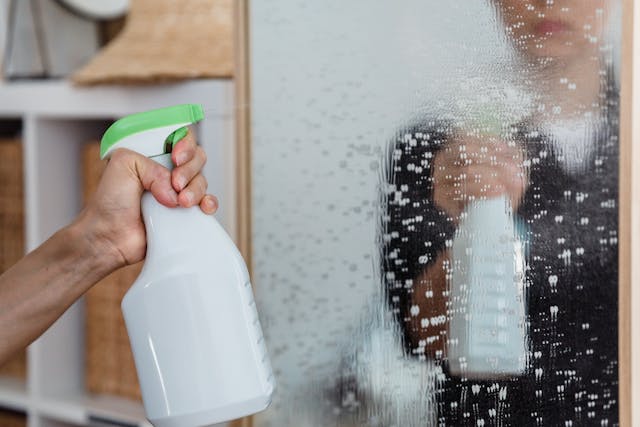
Two cups water, half a cup white vinegar, quarter cup rubbing alcohol in a spray bottle. Spray and wipe with a microfiber cloth.
Streak-free glass without commercial glass cleaner. One of the most practical homemade cleaning tips because glass is a surface where natural solutions genuinely outperform most of what is sold in stores.
Why it works: The vinegar dissolves mineral deposits and smudges. The alcohol evaporates quickly, which prevents streaking. The combination cleans and dries faster than commercial glass cleaners.
Extra tip: This solution works equally well on phone screens, mirrors, and car windows. Label the bottle clearly so it does not get used for something incompatible.
16. Furniture Polish for Wood With Olive Oil and Lemon
Two tablespoons olive oil, one tablespoon lemon juice, mixed in a small bowl. Apply to wood furniture with a soft cloth. Rub in and buff off with a second clean cloth.
This is the natural cleaning solution for wood cabinets and furniture that adds a light conditioning effect while cleaning. Real wood furniture absorbs it slightly and looks genuinely cared-for afterward.
Why it works: The olive oil feeds and conditions the wood. The lemon dissolves fingerprints and surface oils. The combination cleans and conditions in one step without any commercial furniture spray or its silicone residue.
Extra tip: A very small amount goes much further than you expect. Use less than you think you need and buff well. Too much oil leaves a sticky surface.
17. Fabric Softener Alternative: White Vinegar in the Rinse Cycle
Add half a cup of white vinegar to the fabric softener compartment of the washing machine. Run as usual.
Towels and clothes come out soft without any synthetic fragrance or the waxy buildup that commercial fabric softener leaves on fibers over time.
This is the natural cleaning solution that surprises people the most, because the clothes do not smell like vinegar. They smell like nothing, which is what clean actually smells like.
Why it works: The acetic acid in vinegar neutralizes the alkaline detergent residue that makes fabrics feel stiff. It also acts as an anti-static and removes the buildup that reduces towel absorbency over time.
Extra tip: For towels that already have a mildew smell, wash them once with one cup of baking soda instead of detergent, then once with one cup of vinegar in the rinse compartment. Two cycles, no detergent. The smell goes completely.
For more on building a simple, consistent natural cleaning routine, the 35 quick deep cleaning hacks guide on The Minimalist Flow covers the full room-by-room approach with even more specific techniques.
Your Natural Cleaning Solutions Starter Checklist
Save this before your next grocery run.
- White vinegar: one large bottle minimum
- Baking soda: one large bag
- Liquid castile soap: one bottle, unscented or lightly scented
- Lemons: always have a few at home
- Coarse salt: one bag
- Rubbing alcohol: one small bottle for disinfection
- Glass spray bottles: two or three for your mixed solutions
- Microfiber cloths: at least four
- Old toothbrush: for grout and tight spaces
Pin this natural cleaning solutions list so you have it ready the next time you run out of something under the sink.
Do This Today
- Mix one all-purpose spray. White vinegar and water, equal parts, in any spray bottle. Label it. Use it on your kitchen counter today.
- Empty one commercial cleaning product that is almost finished. Replace it with a natural alternative from this list when it is gone. Do this one at a time. The transition does not need to happen all at once.
- Add vinegar to the next laundry rinse cycle. Half a cup in the softener compartment. See how the clothes feel. This one small change costs almost nothing and shows results immediately.
Natural Cleaning in 20 Minutes
If you want to try this today with what you already have:
- Mix vinegar and water spray for the kitchen counter and stovetop
- Sprinkle baking soda in the toilet bowl while you do something else
- Wrap a vinegar-soaked cloth around the most limescaled faucet in the house
- Rub half a lemon with salt over the kitchen sink
Leave everything to work for fifteen minutes. Come back. Wipe. You have just cleaned four surfaces in twenty minutes with nothing from a store.
Q&A: Natural Cleaning Solutions
1. Do natural cleaning solutions actually disinfect?
White vinegar has documented antimicrobial properties but is not a broad-spectrum disinfectant. It handles most everyday surface bacteria effectively. For surfaces that need full disinfection, like after handling raw meat or during illness, use a proper disinfectant. For everyday cleaning, natural solutions are genuinely sufficient.
2. Why should I not mix vinegar and baking soda?
Because they neutralize each other. The fizzing creates carbonic acid and sodium acetate, which breaks down into essentially salt water. Both ingredients do their best work separately. The drain cleaning trick is the one exception, where the fizzing action itself is useful for dislodging debris.
3. Are natural cleaning solutions safe for all surfaces?
Not all. Do not use vinegar on natural stone (marble, granite, limestone). The acid etches and damages the surface permanently. Use castile soap and water on stone. Baking soda should be used with a soft cloth on soft surfaces to avoid scratching.
4. What is the best natural cleaning solution for wood cabinets specifically?
Castile soap diluted in warm water with a nearly dry cloth is the safest and most effective option. The olive oil and lemon polish works for conditioning and surface cleaning but should not be used on unfinished or raw wood where it can cause discoloration.
5. Is castile soap actually worth buying?
Yes. One bottle is highly concentrated and lasts for months because each cleaning task requires only a few drops. It replaces dish soap, floor cleaner, and general surface cleaner. The per-use cost is significantly lower than commercial equivalents.
6. Will my home still smell clean without synthetic fragrances?
Clean smells like nothing. What we associate with a clean smell is usually synthetic fragrance. A genuinely clean home with no artificial scent is something most people do not experience until they switch and then notice the difference. Essential oils in your homemade solutions add a light, natural scent without overpowering the space.
7. How do I transition from commercial to natural cleaning solutions without it feeling like a project?
Use what you have until it runs out. When something is empty, replace it with a natural alternative from this list. One product at a time, no deadline, no buying everything at once. Within a few months, the transition happens without any effort or disruption.
8. What is the single most useful natural cleaning solution to start with?
The all-purpose vinegar and water spray. It handles more surfaces than any single commercial product and costs almost nothing to make. Mix it today and use it for two weeks. Notice how little you need beyond it.
Recommended Reading
- 35 Quick Deep Cleaning Hacks With Homemade Products for the full room-by-room cleaning guide that goes deeper into every technique in this list
- Cook Without the Chaos: 9 Kitchen Cleaning Hacks for keeping the hardest-working room in the house clean during the week, not just on cleaning day
- The 30-Day Declutter Challenge for Busy Moms because a home with less in it is a home that is faster to clean, and the two projects work best together
Last Thing
My grandmother would probably think I have made things too complicated by making my own cleaning products. She had her system, it worked for her, and she stood by it for decades. I understand that completely.
What I know is that when I clean my kitchen now with the vinegar spray and the baking soda paste, the smell is something I do not need to open windows to escape. My kids can be in the room.
The surfaces are genuinely clean and under the sink, there are four ingredients instead of twelve bottles.
That is the version of clean that works for my life. What does yours look like?
You May Also Like
-
Sweater Outfits: 11 Fresh Ways to Wear One Burgundy Sweater All Winter
In this post I’ll show you how to wear one burgundy sweater 11 different ways, from a Monday at the office to Christmas Eve dinner. You’ll also find color pairs, the mistakes that make a knit look tired, and simple care tips that keep it soft for years.
-
Christmas Savings Challenge: A Printable Tracker for Weekly and Biweekly Paydays
This christmas savings challenge turns the cost of December into small, planned amounts you set aside from now until the holidays. You’ll find 8 simple challenges with the real math for weekly and biweekly paydays, plus a free printable tracker to color in.
-
Christmas Mantle Ideas: 13 Calm Looks With Zero Clutter
These christmas mantle ideas help you build an elegant fireplace display that looks calm instead of crowded. You’ll find 13 looks, from a lush garland with burgundy velvet to a mantel with a TV above it, plus color pairs and the mistakes worth skipping.