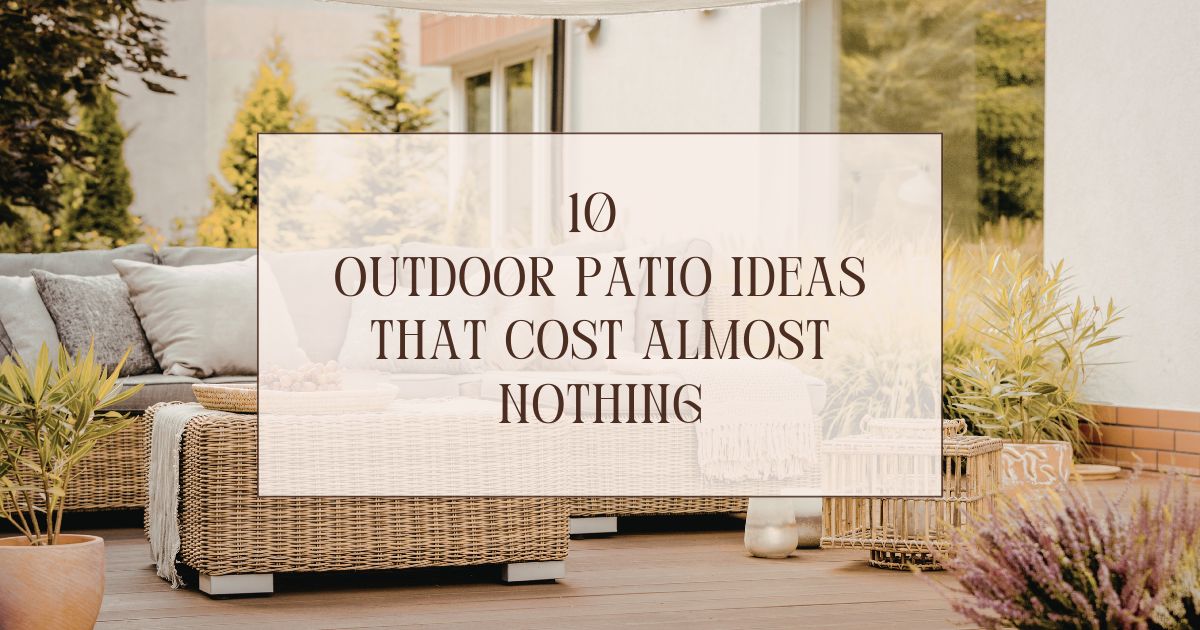
Why I Stopped Buying New Patio Decor (And What I Do Instead)
In this post, I’ll show you 10 outdoor patio decor ideas that I’ve used and continue to use. I’d like to share with you not only the message to spend less if you can, but also to take a fresh look at your existing accessories, and your patio in general.
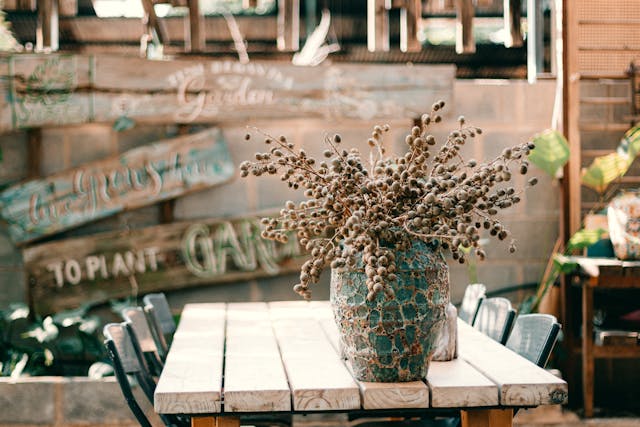
My terrace is one of my favorite places in the world. That sounds dramatic for an apartment terrace in Budapest (I’m a Hungarian woman – and a mother), but I mean it.
From April through October, it is the first place I go in the morning with my coffee and the last place I am before I come inside for the night. It has been a working space, a reading space, a place to sit with friends until late, a place to do absolutely nothing at all.
For a long time I kept buying things for it. A new lantern. A throw pillow in a color I thought would work. A plant I had no real plan for.
Each thing looked right in the store and slightly wrong when it arrived. The terrace never quite looked the way I wanted it to.
Then I stopped buying anything. Not as an experiment, just because I started applying the same logic to the outdoor space that I already applied to everything else: use what you have, use it intentionally, and nothing is missing. What happened was that the terrace got better. Not different. Better.

Why Buying New Patio Decor Is Usually the Wrong Answer
The reason outdoor spaces feel unfinished is almost never a missing object. It is usually a missing decision.
An arrangement that has not been committed to. Things placed rather than positioned. A rug that is almost the right size. Cushions that came with the furniture and have never been changed.
When you go shopping to solve this, you come back with more objects and the same underlying arrangement problem. The new lantern sits next to the old one in the same corner and the space still does not look right.
The minimalist approach to patio decoration ideas starts with what is already there. Every piece of furniture is moved. Every plant is repositioned. Every cushion is assessed. What stays, stays because it earns its place. What does not stay gets moved somewhere else or removed entirely.
That process alone, without adding a single new thing, is usually enough to completely change how the terrace feels. I have done this several times now.
Every time, the result is better than anything I bought.
For more on the thinking behind using what you have rather than always adding more, this 30-Day Declutter Challenge this approach room by room, including outdoor spaces.
Your Patio Does Not Need More Things – It Needs a Better Edit
Here is the opinion that most outdoor decor ideas content will never give you, because it does not sell anything: the patio that looks beautifully put-together in every photo you have ever saved is not the result of more objects. It is the result of fewer, positioned correctly.
I really love modern things. I have good taste and I enjoy beautiful objects. But I have also watched myself buy things that looked exactly right in theory and contributed nothing to the space in practice.
The problem was not the objects. It was that I was adding without editing.
A terrace with five things that belong there looks better than a terrace with twenty things that arrived at different times without a plan. Editing is the skill. Buying is just the easy part.
Research on restorative outdoor environments, including work cited by the American Psychological Association on nature and wellbeing, consistently shows that visual simplicity in outdoor spaces contributes more to the feeling of rest and restoration than decoration density. Less, deliberately chosen, is genuinely better for how the space feels to be in.
10 Outdoor Patio Ideas That Cost Almost Nothing
1. Rearrange the Furniture as if It Were a Different Room
Move everything. Do not just shift things slightly. Genuinely rethink the layout as if the furniture had just arrived and you had no habits yet. Face the chairs somewhere different. Move the table off-center. Pull one chair away from the group and put it somewhere solo with a small table beside it.
Most outdoor furniture arrangements are set once and never questioned. The layout that made sense when you first put things out is probably not the layout that works best now that you know how you actually use the space.
How it works: Rearranging furniture changes the sightlines, the flow, and the way the terrace feels to sit in without any new purchase. It costs zero dollars and takes twenty minutes. The result often looks like you bought all new furniture.
Extra tip: Before you move anything, photograph the current layout. That photograph will tell you immediately what is not working that you have stopped seeing because you are too used to it.
2. Rotate Outdoor Cushions and Throw Pillows From Inside
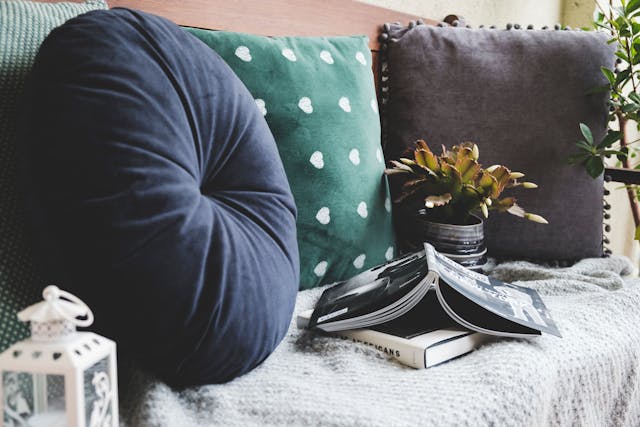
Go through the whole house. Pull every throw pillow that could work outdoors. Bring them to the terrace and try them in combination. Some will work. Some will not. The ones that work cost you nothing because you already own them.
For the longer term, the best cheap patio idea for cushions is to buy pillow covers rather than full cushions. One quality insert, three different covers in rotation through the season, and the terrace looks completely different every few weeks for the cost of a cover.
Extra tip: If you have outdoor-rated fabric cushions, wash the covers at the start of each season. Clean, bright fabric looks new even when it is not. This makes more difference than any new purchase.
Related post: For specific guidance on pillow combinations that work, the throw pillow combinations exactly how to mix colors, patterns, and textures so the result looks considered rather than random.
3. Move Plants Around
Plants are the most moveable, highest-impact element on any terrace. A large plant that has been in the same corner for two years is functionally invisible.
Move it to the center of the furniture grouping, or to the entrance, or somewhere it creates a sight line rather than filling a gap.
Group smaller plants together rather than spreading them around the space. A cluster of three plants of different heights reads as intentional. Three plants spread evenly around the terrace reads as three plants placed randomly.
How it works: Plant placement defines zones and creates visual interest without adding any new objects. Grouping by height creates the layered look that professional outdoor spaces use, at zero cost.
Extra tip: Elevate one plant on a stool, a crate, or a stack of bricks. Height variation in a plant grouping gives it the designed quality that keeping everything at ground level never achieves.
4. Add a Rug (Or Move the One You Have)
An outdoor rug is the single item that most transforms an outdoor space from a place with furniture in it to a room.
If you already have one, try moving it to a different position, centered under the seating rather than pushed against the wall, for example. If you do not have one, this is the one thing worth buying.
The right size matters more than anything else. A rug that is too small makes the furniture look like it is floating. The front legs of all chairs and the sofa should be on the rug. If they are not, the rug is too small for the space.
How it works: A rug defines the seating area as a zone within the larger terrace space. This is the fundamental trick that designers use to make outdoor spaces feel like rooms rather than surfaces with furniture on them.
Extra tip: If your current outdoor rug is faded or worn, try flipping it. The underside often has retained color that the top has lost. This sounds obvious and it absolutely works.
Related post: For the full guide on choosing an outdoor rug, sizing, material, and placement, the outdoor patio rugs everything you need to know before buying.
5. Use Solar String Lights You Already Own (Or Borrow)
String lights change everything about the evening quality of an outdoor space. If you already own any, bring them out. If you have them stored from a previous season, hang them again. The investment in string lights is a one-time one that pays off every evening from the moment they are hung.

Hang them overhead rather than along the railing. An overhead string light creates the feeling of a ceiling, which is what makes an outdoor space feel like a room rather than a porch.
HGTV’s guide to budget outdoor lighting ideas covers how to hang string lights correctly and what kind of bulb spacing creates the warmest result.
How it works: Overhead string lights reduce the perceived scale of the outdoor space in the most flattering way. They create intimacy by drawing the eye upward and defining the space from above, which is the same thing a ceiling does indoors.
Extra tip: Use warm white lights rather than cool white. Cool white reads clinical. Warm white reads like candlelight. The difference in atmosphere is significant.
6. Bring One Indoor Object Outside
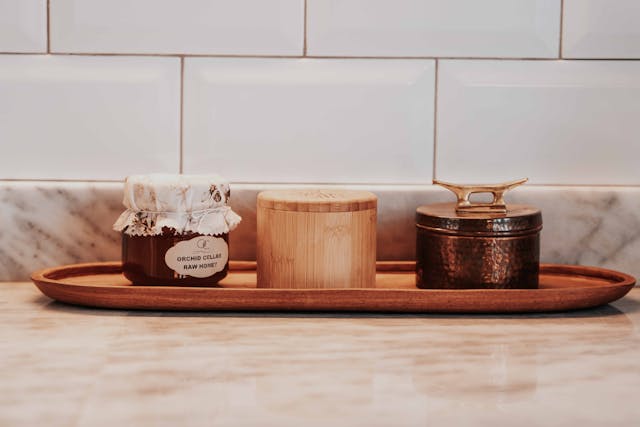
One thing from inside the house, placed thoughtfully on the terrace, does more for the outdoor patio ideas aesthetic than most objects bought specifically for outdoor use.
A ceramic vase with a single stem. A candle in a weighted holder. A small wooden tray that organizes the surface of the table.
The reason this works is that it breaks the uniformity of outdoor furniture and outdoor-rated objects, which tend to have a specific look that signals function. One indoor object says that someone lives here and uses this space with actual intention.
How it works: Indoor objects read as personal and chosen rather than functional and default. Their presence on the terrace signals care and attention in a way that outdoor-specific decor does not always manage.
Extra tip: Use objects that can handle a small amount of weather exposure and that you are prepared to bring inside quickly if it rains unexpectedly. Ceramics, wood, and stone all work. Electronics and anything irreplaceable should stay in.
7. Create One Clear Focal Point

Most outdoor spaces that look unfinished have no focal point. Everywhere you look, there is something, and none of it is more important than anything else.
Choose one thing to be the anchor: a large plant, the most interesting piece of furniture, the view, a single piece of outdoor art.
Everything else in the arrangement should support that focal point or step back from it. This is the same principle that makes well-designed rooms work indoors, and it works exactly the same way on a terrace.
How it works: A focal point gives the eye somewhere to land first, which is what makes a space feel composed rather than scattered. It can be an existing element, just one that you consciously decide is the center of the arrangement.
Extra tip: The focal point does not have to be decorative. In many of the best outdoor spaces, the focal point is a view: a garden, a wall of climbing plants, a city skyline. Arrange the furniture to face what is already beautiful rather than filling the space with objects.
8. Do a Seasonal Swap With What You Own
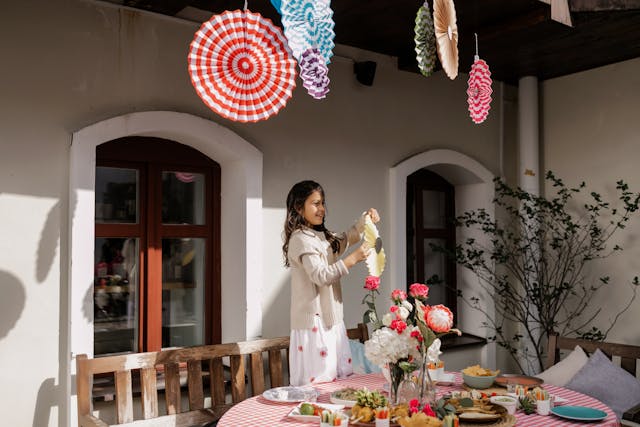
Spring patio: lighter fabrics, fresh green plants, something blooming. Summer: minimal and cool, lots of green, the furniture pulled into shade if possible. Autumn: warmer textiles, darker plant colors, the space pulled in slightly for coziness. The terrace can shift with the season using only what you already own if you store things between seasons and pull out different combinations.
This is the budget outdoor patio idea with the longest return. One initial investment in a small set of seasonal objects, then rotating between them forever.
How it works: Seasonal rotation keeps the terrace feeling fresh and deliberate without any additional spending. The space looks different because it is different, even though nothing new has been added. It also means nothing stays out long enough to become invisible.
Extra tip: Store off-season terrace items in a single labeled box or bag. Keeping them together means the swap takes twenty minutes rather than an afternoon of searching.
9. Grow Something From Seed in a Container
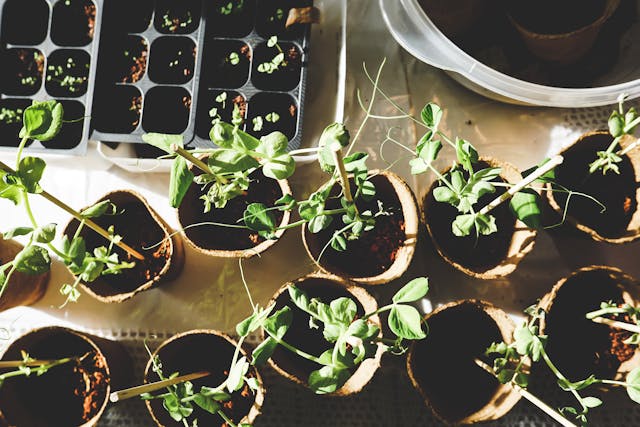
One pot of herbs or flowers grown from seed costs less than almost any decorative object and provides ongoing visual interest, a useful harvest, and the particular satisfaction of having made something rather than bought it. Basil, mint, marigolds, nasturtiums. All are fast-growing, reliably beautiful, and genuinely easy.
A terrace with living plants that you grew feels cared for in a way that no decoration can replicate. The growing is the point as much as the result.
How it works: Living plants respond to light and seasons, which means they change constantly and always look current. A pot of herbs or flowers in full growth is more visually interesting than any static decoration, and it doubles as food or fragrance.
Extra tip: Plant nasturtiums once and they will seed themselves the following year. They also cascade beautifully over the edge of a pot and the flowers are edible, which is one of those features that always surprises guests.
10. Make the Table Look Like It Was Set With Intention
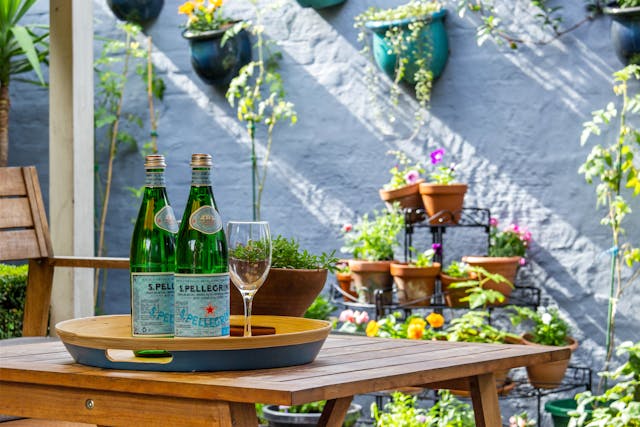
The table on an outdoor terrace almost always has things on it: a coffee cup, some keys, a phone. It reads as a surface that gets used rather than a surface that was designed. Setting it deliberately, even simply, changes the whole feeling of the space.
A small tray in the center. Two or three objects on the tray: a candle, a small plant, a stone you picked up somewhere. The tray corrals the objects and tells the eye that this was arranged, not just left there.
For more on styling surfaces and table arrangements, The Antiqued Journey’s approach to thrifty patio styling has genuinely useful notes on giving each item on the table a purpose before placing it there.
How it works: A tray creates visual containment. Objects without a tray spread across a surface and look random. The same objects on a tray look curated. The tray does the work, not the objects.
Extra tip: Switch the tray contents with the season. Same tray, different small objects. A tray of summery items in June, something warmer in September. The whole outdoor patio ideas look shifts for the cost of rearranging what is already in the house.
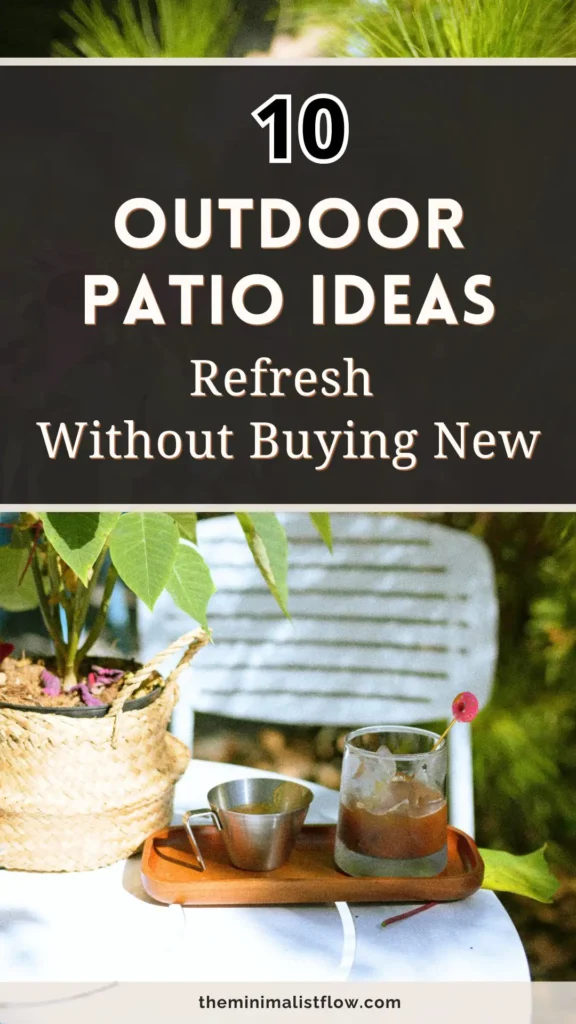
Outdoor Patio Ideas Checklist: Before You Buy Anything
Work through this list first.
- Take everything off the terrace and look at the empty space
- Rearrange the furniture as if setting it up for the first time
- Go through the whole house for plants, pillows, and objects that could work outside
- Group plants by height and cluster them rather than spacing them evenly
- Create one clear focal point and arrange everything else around it
- Hang any string lights you already own overhead rather than along railings
- Put a tray on the table with two or three things on it
- Bring one indoor object out to the terrace
- Wash all cushion covers before reassembling
- Look at what is left and decide if anything is actually missing
Pin this outdoor patio ideas checklist so you have it before the next time you feel the urge to go shopping for new decor.
Quick Outdoor Patio Refresh in 30 Minutes
- Move the furniture, even slightly
- Cluster the plants
- Wash or swap the cushion covers
- Add a tray to the table
- Hang the string lights if they are not already up
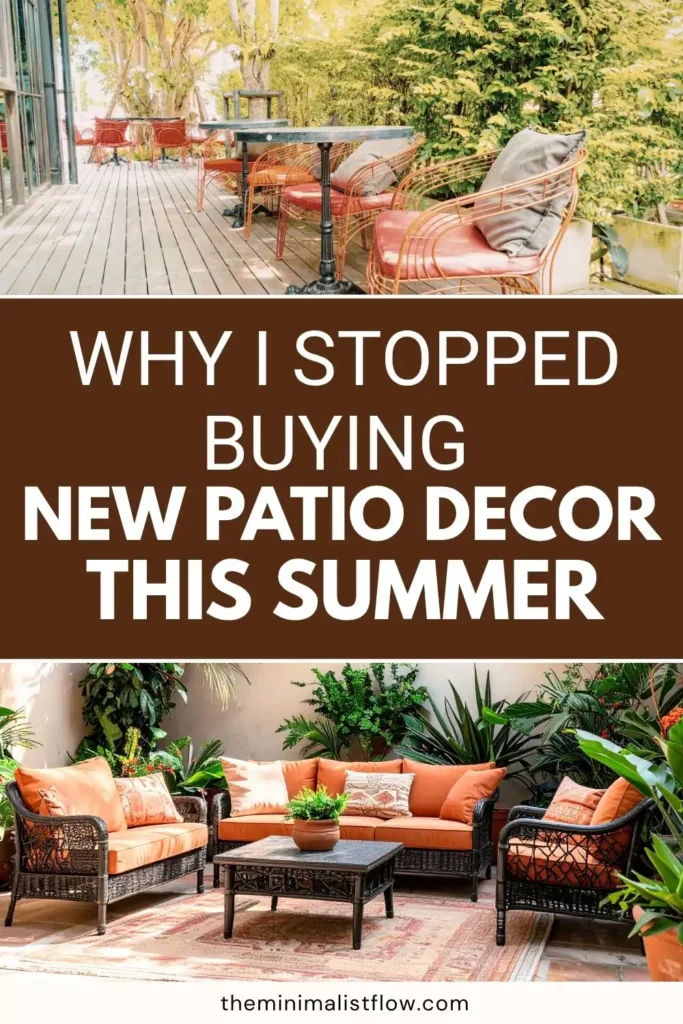
Q&A: Outdoor Patio Ideas on a Budget
1. I have a very small patio. Does any of this still work?
Small patios benefit more from editing than large ones. The single most important thing for a small space is removing one or two pieces that are taking up more room than they deserve. A small patio with three things that belong there looks better than a small patio with seven things crowded in.
2. My outdoor furniture is old and worn. Should I replace it?
Before replacing: try painting it. Metal outdoor furniture can be spray-painted in an afternoon. Wood can be sanded and restained. The furniture shape is usually not the problem. The color and surface condition are. A fresh coat of paint on old furniture is one of the most effective and least expensive outdoor patio ideas.
3. What is the single best patio decoration idea on a budget?
An outdoor rug in the correct size. Nothing else changes how the space feels as much, and nothing else is as consistently missing from outdoor spaces that feel unfinished. Size it so all the front furniture legs sit on it. That one decision makes the furniture look intentional.
4. How do I make my patio feel cozy without buying a lot of things?
String lights overhead. Soft outdoor cushions. One plant that is large enough to be significant. Coziness comes from warmth, enclosure, and softness, not from objects. Lights create warmth. Cushions add softness. A large plant creates the sense of being in a space rather than on a surface.
5. Can I use indoor decor items outside?
Yes, selectively. Ceramics, stone, and sealed wood handle outdoor conditions well. Avoid anything electronic, untreated fabric, or genuinely irreplaceable. Having some indoor objects outside is actually better visually than keeping everything strictly outdoor-rated, because the mix looks personal rather than functional.
6. What is the cheapest way to add color to an outdoor patio?
Plants. Specifically flowering plants or plants with interesting foliage color. A marigold in a terracotta pot costs almost nothing and does more for the color story of the terrace than a new cushion cover in the same budget.
7. What outdoor patio ideas work best for renting, where I cannot make permanent changes?
Everything in this post. All 10 ideas are entirely non-permanent: rugs, cushions, plants, lighting, furniture arrangement. Portable outdoor spaces can look exactly as good as owned ones. The permanence of the decoration has nothing to do with how intentional it looks.
Recommended Reading
- The Outdoor Patio Rug Guide: What to Buy and Where to Put It for the full guide on choosing the rug that does more for your outdoor patio ideas than almost any other single purchase
- Stop Buying Couch Pillows Until You Check This First for the same edit-before-you-buy approach applied to cushions and throw pillows, indoors and out
- Stop Buying Storage Bins You Don’t Need because the same logic applies everywhere: using what you have intentionally produces better results than buying more things to manage
Last Thing
The terrace I am sitting on right now has the same furniture it had three years ago. The same two plants that have been there since the beginning. A rug I have had for two seasons. String lights I bought once and have hung out every spring since. A small tray on the table with a candle and a stone my daughter brought me from somewhere.
Nothing here is new. All of it is exactly where it should be. That is the difference between a terrace that looks finished and one that keeps needing something else.
Which of these outdoor patio ideas are you trying first?
You May Also Like
-
Sweater Outfits: 11 Fresh Ways to Wear One Burgundy Sweater All Winter
In this post I’ll show you how to wear one burgundy sweater 11 different ways, from a Monday at the office to Christmas Eve dinner. You’ll also find color pairs, the mistakes that make a knit look tired, and simple care tips that keep it soft for years.
-
Christmas Savings Challenge: A Printable Tracker for Weekly and Biweekly Paydays
This christmas savings challenge turns the cost of December into small, planned amounts you set aside from now until the holidays. You’ll find 8 simple challenges with the real math for weekly and biweekly paydays, plus a free printable tracker to color in.
-
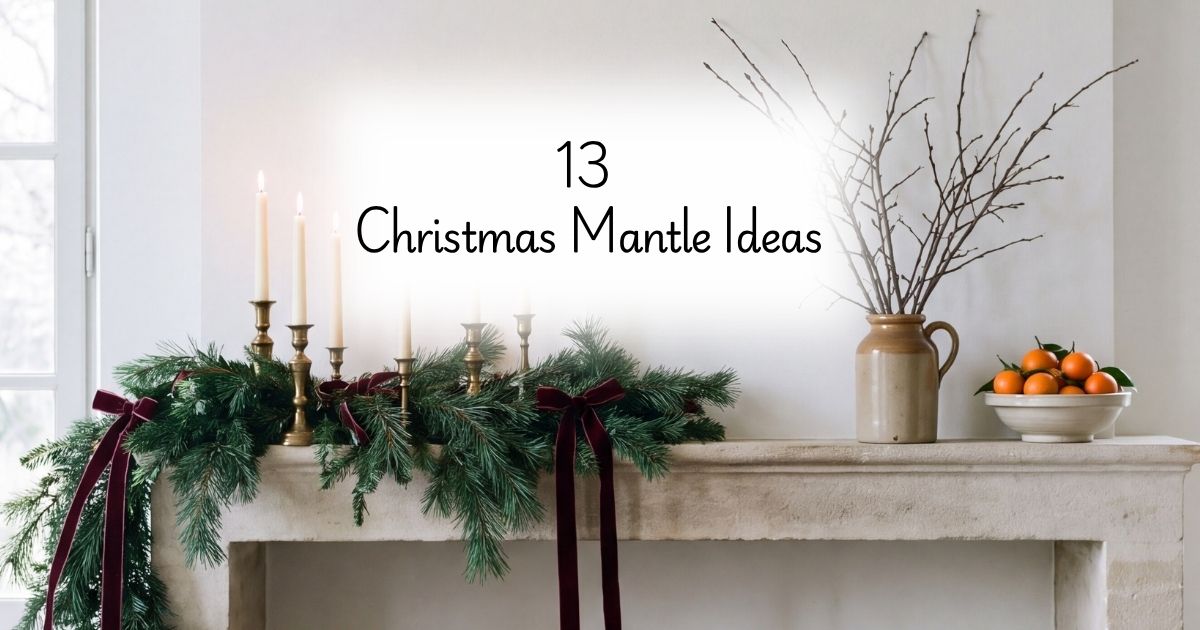
Christmas Mantle Ideas: 13 Calm Looks With Zero Clutter
These christmas mantle ideas help you build an elegant fireplace display that looks calm instead of crowded. You’ll find 13 looks, from a lush garland with burgundy velvet to a mantel with a TV above it, plus color pairs and the mistakes worth skipping.


One Comment