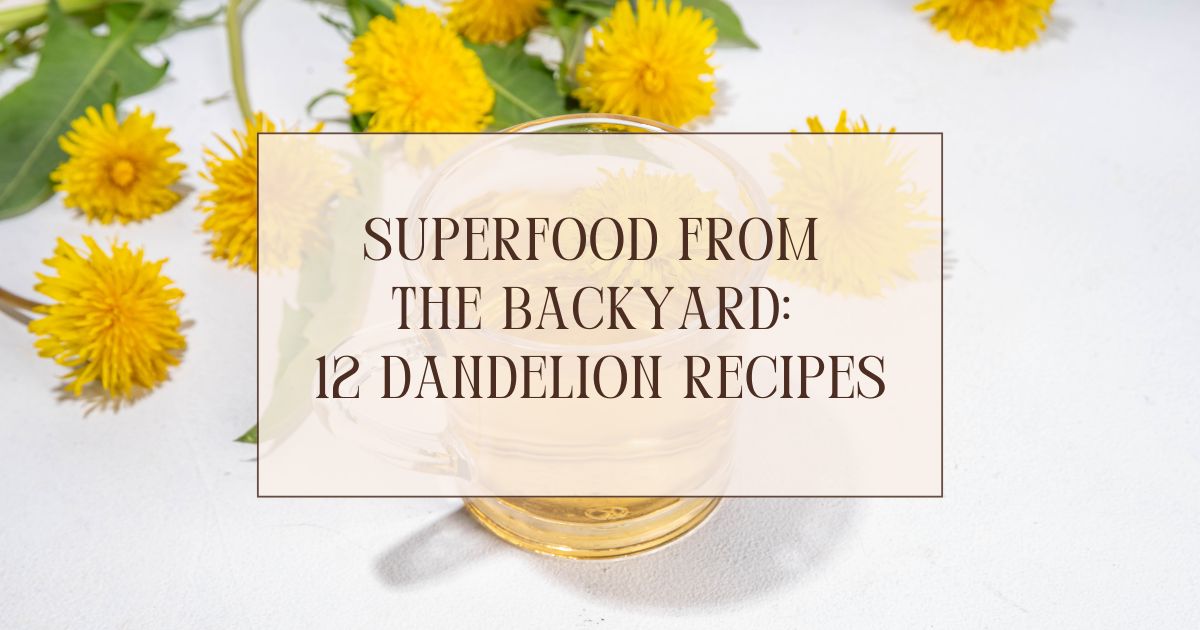
Superfood from the Backyard: 12 Dandelion Recipes From Tea to Lip Balm
The dandelion growing in your yard is not a weed. It is a medicinal herb, a food source, and a cosmetic ingredient, all in one plant that you have probably been pulling up and throwing away for years.
I am sharing with you 12 dandelion recipes and uses that cover the whole plant, from the flowers down to the roots.
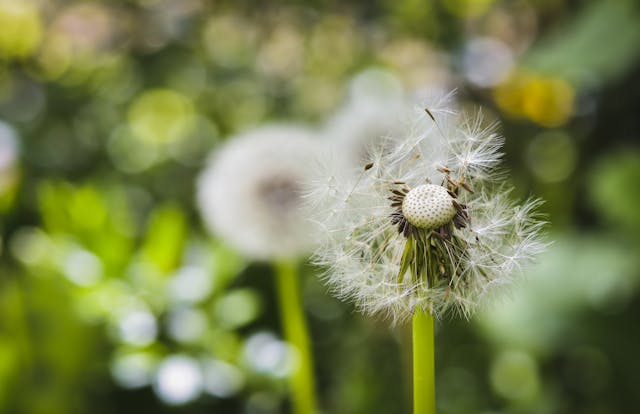
We have a lot of dandelions in our garden. Every time I mow the lawn a good number of them do not survive. But there are always more.
My little cute daughter (she is just a six-year girl) loves them when they go to seed, those white perfect spheres that she blows apart with complete conviction, sending hundreds of seeds into the air and across the neighbor’s garden.
When I was a kid, my grandmother took me to the meadows near our village to pick dandelions. She was the kind of woman who knew what everything was for.
The dandelion was not a weed to her. It was a pantry item that happened to grow in the field. She showed me how to make the syrup, how to dry the flowers for tea, how to use the leaves in salad when they are young and not yet bitter.
Those afternoons with her are probably why I cannot look at a dandelion without wanting to do something useful with it.
The slow living version of this is straightforward: you have a free, nutritious, medicinal plant growing in your garden. The only question is what you want to do with it.
What You Will Find in This Dandelion Recipes Guide
- 12 dandelion recipes organized from food and drink to body care
- What the research actually says about dandelion health benefits
- How to harvest dandelion correctly, which parts to use for what
- The honest answer on which dandelion recipes are genuinely useful and which are just charming
- Extra tips for each recipe from real experience

Before You Start: How to Harvest Dandelion
The most important rule: only harvest dandelion from areas that have not been treated with pesticides, herbicides, or fertilizers.
Roadside dandelion and dandelion from public lawns that get maintained with chemicals are not safe to use. Your own untreated garden, a meadow you know has not been sprayed, or a field away from traffic are the right places.
A quick guide to which parts to use:
- Flowers: for syrup, jelly, tea, honey, infused oil, and baked goods. Harvest in the morning when fully open
- Young leaves: for salad, pesto, smoothies. Pick before the plant flowers, when the leaves are still small and less bitter
- Roots: for dandelion root coffee and tinctures. Harvest in autumn when the root is most concentrated in nutrients
Wash everything thoroughly in cold water. Dry completely before using in any recipe that involves oil or that will be stored. Moisture is the enemy of shelf life in any infused product.
What the Research Says About Dandelion Benefits
The science on dandelion is more substantial than most people realize. A comprehensive review published in PMC on bioactive compounds from Taraxacum species found that dandelion contains polyphenols, flavonoids, carotenoids, and terpenes with documented antioxidant, anti-inflammatory, antimicrobial, and hepatoprotective properties.
A 2022 study in PMC on anti-inflammatory effects of dandelion confirmed that dandelion extract reduced inflammation markers in cell and animal models. The whole plant, flowers, leaves, and roots, all showed activity, with different parts containing different concentrations of the active compounds.
For an accessible overview of the current evidence, Healthline’s summary of dandelion health benefits covers the research in plain language, including the honest note that most studies are still in early stages and more human clinical trials are needed.
The practical takeaway: dandelion is a genuine medicinal herb with centuries of traditional use and a growing body of modern research. Using it in food, tea, and basic body care is well-supported. Treating it as a cure for specific medical conditions is getting ahead of the current evidence.

Stop Treating Dandelions as Weeds
The idea that dandelion is a garden nuisance that needs to be eliminated is relatively recent and mostly cultural. In traditional European and Asian herbalism, dandelion was and still is considered one of the most useful plants you can have growing near your home.
It appears in folk medicine systems across dozens of cultures for reasons that modern research is increasingly confirming.
The minimalist case for dandelion is also practical: it grows freely, it costs nothing, it is available seasonally without any cultivation effort, and using it reduces the need to buy supplements, commercial teas, and cosmetic products whose ingredients list includes a fraction of what dandelion provides naturally.
My grandmother never called it a superfood. She just knew it was useful and available and that ignoring it would be wasteful. That is exactly the kind of knowledge that deserves to be passed on.
For the broader approach to using what grows naturally and simply in daily life, the natural cleaning solutions guide covers the same philosophy applied to cleaning: using what nature provides before buying something manufactured.
Try this
This afternoon: pick a handful of dandelion flowers from an untreated area of your garden or a clean meadow.
Rinse them in cold water. Put them in a jar with boiling water. Let them steep for ten minutes. Strain. Add a small spoonful of honey.
That is dandelion tea, and it will cost you exactly ten minutes and nothing else.

12 Dandelion Recipes and Uses
Food and Drink
1. Dandelion Tea

Fresh or dried dandelion flowers, leaves, or roots, steeped in boiling water for ten to fifteen minutes. Strain and drink. Flower tea is mild and slightly sweet. Leaf tea is more bitter and more medicinal in character. Root tea, which should be roasted first, has a deep, almost coffee-like flavor.
This is the easiest entry point to dandelion tea benefits. Drink it in the morning or afternoon. The root version in particular makes a very good caffeine-free alternative to coffee.
Why it works: Dandelion tea contains antioxidants and bitter compounds that support digestion and liver function. The bitterness itself is the active component that stimulates bile production and aids in digestion.
Extra tip: Dry a batch of flowers and leaves in early summer by spreading them on a clean cloth in a warm, dry spot away from direct light. Store in a glass jar. You will have dandelion tea available all winter from one afternoon of picking.
2. Dandelion Honey Recipe
This is not actually honey. It is a dandelion syrup that looks and tastes remarkably like honey and is one of the most-loved dandelion recipes precisely because the result is so unexpected.
Fill a pot with dandelion flowers. Cover with water. Add a slice of lemon and an orange. Bring to a boil, simmer for twenty minutes, leave to steep overnight. Strain. Add sugar in a 1:1 ratio to the liquid. Simmer until thickened to a honey-like consistency. Pour into sterilized jars.
Why it works: The long steeping extracts the color and flavor compounds from the flowers. The sugar preserves and thickens. The lemon adds pectin that helps with setting. The result genuinely tastes floral and sweet, nothing like commercial honey but something all its own.
Extra tip: Use 200 to 300 flower heads per liter of water for a strongly flavored result. Remove all green parts before steeping since they make the syrup bitter.
3. Dandelion Jelly Recipe

Steep four cups of dandelion flowers in four cups of boiling water for several hours or overnight. Strain. Add lemon juice and pectin according to the pectin package instructions. Add sugar and bring to a rolling boil. Pour into sterilized jars. Seal immediately.
The dandelion jelly recipe produces a pale golden jelly that has a delicate floral taste and looks beautiful on a table. It is one of the most striking dandelion recipes to give as a gift.
Why it works: The flower infusion provides flavor and color. Pectin and sugar create the gel structure. The lemon juice balances the sweetness and activates the pectin.
Extra tip: Use a clean white cloth to strain the flower infusion for the clearest possible color in the finished jelly. A coffee filter also works. Cloudiness does not affect flavor but the clear golden color is part of what makes this recipe worth making.
4. Dandelion Syrup for Drinks and Pancakes
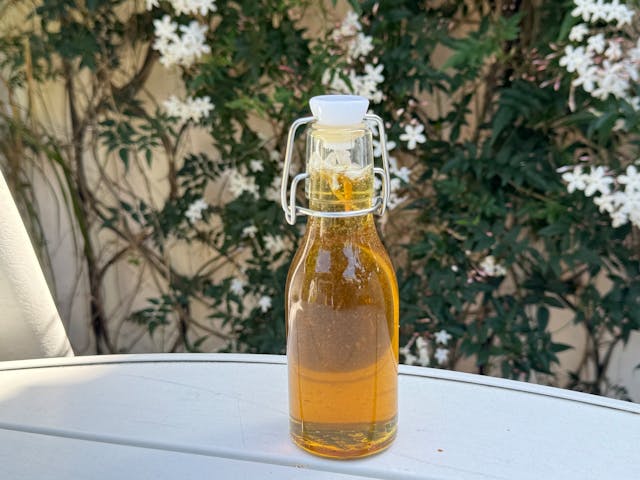
Similar to the honey recipe but less reduced, producing a pourable syrup. Use over pancakes, in lemonade, stirred into sparkling water, or as a sweetener in herbal teas. Dandelion syrup made this way keeps in the refrigerator for two to three weeks or can be frozen in small portions.
Why it works: The lighter reduction keeps more of the delicate floral flavor that would be concentrated into something more intense by a longer cook. For uses where you want the dandelion flavor to be present without being dominant, the syrup is more versatile than the honey.
Extra tip: Pour dandelion syrup into ice cube trays and freeze. Drop one cube into sparkling water for a naturally flavored drink. The dandelion flavor is subtle and summery in cold water.
5. Dandelion Lemonade
Make a batch of dandelion syrup. Squeeze four lemons into a pitcher. Add the dandelion syrup to taste. Fill with cold water or sparkling water. Add ice and a few fresh dandelion flowers as garnish.
This is dandelion lemonade, and it is one of the most visually appealing and genuinely delicious things you can make from a plant that costs you nothing. The floral sweetness of the dandelion syrup combines with the tartness of lemon in a way that tastes intentional and sophisticated.

Why it works: The acidity of lemon brightens the floral flavor of the dandelion syrup and prevents it from tasting flat or overly sweet. The combination is naturally balanced.
Extra tip: Make a large batch of dandelion syrup in May or June when the flowers are most abundant. Store in the freezer in small portions and make dandelion lemonade all summer without needing to pick fresh flowers each time.
6. Dandelion Leaf Salad
Young dandelion leaves picked before the plant flowers, washed and dried, tossed with a simple lemon and olive oil dressing. Add toasted walnuts, a few radishes, a soft boiled egg. Eat immediately.
The leaves have a specific bitterness that pairs well with fat and acid. This is natural food in the most direct sense: something that grows freely in spring and provides a real nutritional hit that very few cultivated salad leaves can match.
Why it works: Young dandelion leaves are rich in vitamins A, C, and K, and contain more iron and calcium than spinach per gram. The bitterness comes from sesquiterpene lactones, the same compounds that support liver and digestive function.
Extra tip: Blanch the leaves in boiling water for thirty seconds if the bitterness is too strong. This reduces the bitter compounds significantly while keeping most of the nutritional content.
7. Dandelion Root Coffee
Wash and chop dandelion roots. Roast in the oven at 200C until dark brown and fragrant, roughly forty minutes. Grind roughly. Steep one tablespoon in a cup of boiling water for five minutes. Strain and drink.
This is one of the most extraordinary dandelion recipes because the result genuinely resembles coffee in color, body, and bitterness without containing any caffeine. It makes a very good morning alternative for anyone reducing caffeine.
Why it works: Roasting converts the inulin in the root to fructose, which provides a slight sweetness and the deep brown color. The resulting drink contains none of the stimulants of coffee but some of the prebiotic benefit from the root’s inulin content.
Extra tip: Harvest roots in October or November when they are thickest and most concentrated. Clean them well, as dandelion roots hold soil tightly around the root hairs.
8. Dandelion Pesto
Blend young dandelion leaves with olive oil, parmesan, garlic, and toasted walnuts or pine nuts. Season with lemon juice and salt. Use on pasta, spread on toast, or stir into soups.
Dandelion pesto has more character than basil pesto. The bitterness works especially well on pasta where it cuts through the starch and the oil in a way that basil pesto does not. It is one of those dandelion recipes that surprises people who thought they did not like dandelion.
Why it works: The olive oil and parmesan fat balance the bitterness of the leaves. Garlic adds pungency that the leaves can stand up to. Lemon juice brightens and balances. The result is complex and interesting.
Extra tip: Freeze dandelion pesto in ice cube trays. Once frozen, transfer to a bag. Pull out one cube per portion and use directly on hot pasta. The flavor holds very well through freezing.
Body Care
9. Dandelion Infused Oil
Fill a clean, dry jar with dried dandelion flowers. Do not use fresh flowers since the moisture causes mold. Cover completely with a carrier oil: olive oil, jojoba, or almond oil. Seal and leave in a sunny window for four to six weeks. Strain through a cloth. Bottle in a dark glass container.
This dandelion oil is the base for dandelion lip balm and dandelion lotion. It is also useful on its own for dry skin, especially on hands, elbows, and feet. Dandelion oil has a mild golden color and a very faint floral scent.
Why it works: Dandelion flowers contain beta-carotene and other fat-soluble antioxidants that infuse into the carrier oil during the slow extraction. These compounds have documented skin-soothing and antioxidant properties.
Extra tip: Use the sun infusion method for dandelion oil rather than the heat method on the stove. The slower, gentler sun infusion preserves more of the delicate compounds from the flowers.
10. Dandelion Lip Balm
Melt one tablespoon beeswax, one tablespoon dandelion infused oil, and one tablespoon coconut oil together in a double boiler. Remove from heat. Add three drops of vitamin E oil and two drops of lavender essential oil. Pour immediately into lip balm tubes or small tins. Allow to set completely before closing.

This is genuinely the easiest dandelion lip balm recipe and one of the most used things in our house in winter. The result is a firm, moisturizing balm with a faint floral scent and none of the synthetic ingredients of commercial lip products.
Why it works: Beeswax creates the structure and provides a protective barrier on the lips. The dandelion oil and coconut oil provide moisture and antioxidant protection. The vitamin E extends shelf life and adds additional skin benefit.
Extra tip: Add a small amount of red or pink lip-safe mica powder before pouring if you want a tinted version. The dandelion oil on its own gives a warm golden tint to the finished balm.
11. Dandelion Lotion
Warm two tablespoons of dandelion infused oil with one tablespoon of shea butter until melted. In a separate container, warm two tablespoons of rose water or plain water. Blend the water phase slowly into the oil phase using an immersion blender until emulsified. Add one teaspoon of arrowroot powder to reduce greasiness. Bottle in a clean, sterilized pump bottle.

This dandelion lotion is lighter than a balm and absorbs into the skin. Good for daily use on hands, arms, and legs. The shelf life is shorter than the oil because of the water content, typically two to three weeks. Add vitamin E oil to extend it.
Why it works: The emulsification combines the moisturizing properties of the oils with the hydration of the water phase. The dandelion oil contributes its antioxidant compounds to the finished product.
Extra tip: Keep the lotion in the refrigerator between uses if you have not added a preservative. The cool temperature slows bacterial growth in a water-containing product. Make small batches more frequently rather than large batches that sit too long.
12. Dandelion Tincture
Fill a clean glass jar halfway with chopped fresh or dried dandelion root and leaves. Cover completely with food-grade alcohol, at least 40 percent strength. Seal and leave in a dark place for four to six weeks, shaking every few days. Strain and bottle in dark glass dropper bottles.
This is the natural food preparation that my grandmother kept on her shelf and used for digestive complaints, liver support, and spring cleaning, which in Central European folk medicine means a seasonal detox tradition that runs on bitter herbs. A small amount in water before meals.
Why it works: Alcohol extracts both water-soluble and fat-soluble compounds from the plant, giving a more complete extraction than tea or oil infusion. The concentrated form means small doses are effective. The bitter compounds are particularly well-preserved in alcohol.
Extra tip: Label the jar clearly with the date and contents. Tinctures keep for two to five years when properly made and stored in a cool, dark place. This is one of the most long-lasting and shelf-stable dandelion preparations you can make.
Related post: For more on using what nature provides simply and intentionally in daily life, the natural cleaning solutions guide on this blog the same approach applied to cleaning: four natural ingredients instead of a cupboard full of chemicals.
Dandelion Harvesting and Recipe Checklist
Save this before dandelion season starts in your area.
- Identify untreated areas in your garden or local meadow for harvesting
- Pick flowers in the morning when fully open for maximum flavor and color
- Pick young leaves before the plant flowers for the least bitterness
- Harvest roots in autumn for maximum concentration
- Wash everything in cold water and dry thoroughly before using in oil infusions
- Start with the tea and the honey recipe: both are simple and high-reward
- Make a large batch of dandelion syrup in May and freeze in portions
- Dry a batch of flowers for winter tea in one afternoon
- Make dandelion oil in summer and use it for lip balm in winter
Pin this dandelion recipes list so you have it ready when the dandelions bloom.
Start This Week
- Pick a handful of dandelion flowers today. Rinse them. Make the tea. See what you think before committing to a larger project.
- If you have two hours on the weekend: make the dandelion honey recipe. It is mostly hands-off time. The result is the most convincing dandelion recipe for people who are skeptical about the whole thing.
- Start a jar of dandelion oil today. Fill a jar with dried flowers and oil and put it in a sunny window. In six weeks you have the base for lip balm and lotion. The effort is three minutes.
Dandelion Recipes You Can Make in One Afternoon
- Dandelion tea from fresh or dried flowers
- Dandelion leaf salad with lemon dressing
- Dandelion pesto blended from young leaves
- Dandelion lemonade with homemade syrup
- Dandelion oil infusion started in a jar
Q&A: Dandelion Recipes and Uses
1. Is dandelion safe to eat?
Yes, the whole plant is edible and has a long history of use as food and medicine across many cultures. The main safety concern is not the plant itself but where you harvest it. Dandelion from treated lawns or near roads can contain pesticide and heavy metal residue. Harvest only from clean, untreated areas.
2. What does dandelion tea taste like?
Flower tea is mild, slightly floral, and gently sweet. Leaf tea is more bitter. Roasted root tea has a deep, coffee-like flavor without caffeine. Most people find flower tea the easiest starting point. The bitterness increases as you move from flower to leaf to root.
3. What are the actual dandelion tea benefits?
Documented benefits based on current research include antioxidant activity, anti-inflammatory effects, digestive support through bitter compounds, and potential liver support. The research is genuine but mostly in early stages. It supports dandelion as a beneficial addition to the diet, not as a treatment for specific conditions.
4. How long does dandelion jelly keep?
Properly sealed dandelion jelly keeps for up to one year in a cool, dark place. Once opened, store in the refrigerator and use within three to four weeks.
5. Can I use the dandelion from my lawn?
Only if you are certain it has never been treated with herbicides, pesticides, or fertilizers, and is not near a road or area with heavy traffic. If you have any doubt, do not harvest from that area. Find a meadow or untreated land you can verify.
6. What is the difference between dandelion oil and dandelion lotion?
Dandelion oil is a single-phase product: oil only. It is richer and more occlusive. Dandelion lotion combines oil and water and absorbs more quickly. The oil is better for very dry areas. The lotion is better for daily use on normal skin.
7. How do I make the dandelion honey recipe more set?
Reduce it further over lower heat and for a longer time. The setting point is when a small amount dropped on a cold plate holds its shape rather than running. The longer you reduce, the thicker and more honey-like the result. Be careful past this point as it can go from honey to hard candy quickly.
8. Can children use dandelion recipes?
The food and drink recipes are safe for children. For the body care products, introduce them to a small area of skin first to check for any reaction, as with any new skincare product. Dandelion allergies are possible for people with Asteraceae family sensitivity.
Recommended Reading
- How to Make Sun Tea With a Secret Spice for another simple, seasonal drink made with minimal effort from what is already available in summer
- 35 Quick Deep Cleaning Hacks With Homemade Products because the same minimalist pantry that makes dandelion recipes possible makes natural cleaning possible too
Final Thoughts
My grandmother is gone now but the knowledge she shared in those afternoons in the meadow is not. It is in the jar of dandelion honey I make every May.
Which of these dandelion recipes are you trying first this season?
You May Also Like
-
Here’s How to Create a Truly Relaxing Reading Nook – 12 Cozy Reading Corner Ideas
If you want cozy reading corners that go beyond a pretty chair, this is your guide. Twelve real ideas for a warm reading nook, even in a tiny space on a small budget.
-
21 Cozy Reading Chairs That Turn Any Corner Into a Retreat
A cozy reading chair changes how often you actually pick up a book, and this post rounds up 21 real ideas to help you find yours. From oversized armchairs to thrifted flea market finds, there is a fit here for every space and budget.
-
12 Minimalist Flower Home Decor – Easy and Aesthetic Floral Decor That Changes a Room
Minimalist flower home decor is the easiest way to make a room feel calm without buying a single piece of new furniture. Here are simple, real ideas for single stems, dried flowers, and soft neutral vases that fit a busy life and a small budget.