35 Quick Deep Cleaning Hacks With Homemade Products for a Fresh Home
Do you hate time-consuming cleaning like I do? Someone has to do it regularly and it never ends. When you think about it, it’s crazy.
In this article, I’ll show you 35 simple deep cleaning methods that will help you thoroughly clean your home in no time.
The cleaning products under my sink used to be a small pharmacy of brightly labeled bottles. A different one for the bathroom, the kitchen, the floor, the glass, the limescale. All of them smelled aggressively clean. Most of them, I later found out, did roughly the same thing.
I am a minimalist and I also live in Hungary, in an older apartment where limescale is a fact of life and the kitchen sees serious daily use. I needed things that actually worked. What I did not need was a different product for every surface in the house, plastic bottles to throw away, and the particular headache that comes from mixing something you should not have mixed.
It took about a year of gradual replacement before my cleaning supplies came down to four ingredients: white vinegar, baking soda, castile soap, and lemon. Everything else turned out to be packaging and marketing.

The 35 quick deep cleaning hacks in this list use those four ingredients almost exclusively. They are fast, they are genuinely effective, and they leave the house smelling like a home rather than a chemical facility. Which, now that I have lived both ways, is the only version I want.
Why Homemade Cleaning Products Actually Work
The science is simple.
- Vinegar is acidic, which means it dissolves mineral deposits, limescale, and soap scum.
- Baking soda is a mild base and a gentle abrasive, which means it lifts grime without scratching surfaces and absorbs odors rather than masking them.
- Lemon adds antibacterial properties and cuts through grease.
Used separately, they are effective.
The most common mistake is combining them, which neutralizes both and produces essentially salt water with foam, impressive-looking, cleaning-wise useless.
This is confirmed by Live Science’s chemistry breakdown of baking soda and vinegar, which explains exactly why these ingredients work so well on their own. And by research published through PubMed on antimicrobial activity of natural home products, which assessed how natural products compare to commercial disinfectants against real pathogens. The conclusion: vinegar and baking soda each have legitimate cleaning power. Just not when combined.
Related post: 30-Day Declutter Challenge
The Cleaning Hacks That Are Actually Worth Your Time
Here is the honest take: not all cleaning hacks save time.
Some of them create more work than they solve. The ones that use a special folding technique to apply a cleaning solution to a surface you could have just wiped. The ones that require leaving something to soak for eight hours. The ones where the ingredients are more expensive than the commercial product they replace.
The hacks I keep and use are the ones that genuinely fit into real daily life. Thirty seconds of effort on a surface while something else is cooking. A spray that takes two minutes to mix and lasts for weeks.
A routine that means the bathroom never reaches the point of needing a full hour of cleaning. That is the only kind of cleaning hack that actually makes life easier.
Slow living does not mean spending more time on housework. It means doing less of it, but doing it consistently enough that nothing becomes a project. A clean home in this sense is the result of small regular actions, not a weekly marathon that leaves you exhausted.

Try this
Fill a small spray bottle with one part white vinegar and one part water right now. Label it. Put it on the kitchen counter. This is your all-purpose cleaning spray for the next two weeks. Use it on counters, tiles, the stovetop when it is cool, the inside of the microwave. Notice how much you actually need.
Cleaning Tips: What to Know Before You Start
A few practical notes before the list.
- First: never use vinegar on natural stone surfaces like marble or granite. The acid etches the surface. For stone, use castile soap and water only.
- Second: baking soda is mildly abrasive, which is what makes it useful for scrubbing, but use a soft cloth rather than a hard brush to avoid scratching softer surfaces.
- Third: lemon juice on wood can strip the finish over time.
These are the three most common mistakes in natural cleaning, and they are easy to avoid once you know them.
For a full guide to homemade cleaning products with recipes and proportions, Cornell University’s cooperative extension guide to homemade cleaners is one of the most reliable, well-sourced breakdowns available. It covers what each ingredient does, what surfaces it works on, and what not to mix.
And for a research-backed comparison of natural versus commercial cleaning products, this student research study from UBC comparing homemade and commercial cleaners shows where homemade products perform comparably and where commercial disinfectants have an edge.
35 Quick Deep Cleaning Hacks Using Natural Ingredients
Kitchen
1. Degrease the Stovetop With Baking Soda and Castile Soap
Sprinkle baking soda on the stovetop, add a few drops of castile soap, and scrub with a damp cloth. The baking soda lifts grease without scratching, the soap emulsifies it. Two minutes, no fumes, works on gas and electric.
Extra tip: Do this while something is cooking and the stovetop is still slightly warm. Warmth loosens dried grease and cuts the scrubbing time in half.
2. Clean the Microwave With Vinegar Steam
Fill a microwave-safe bowl with equal parts water and white vinegar. Heat on high for five minutes. Leave the door closed for another two minutes. Wipe everything down with a cloth. Splattered food comes off without any scrubbing.
Extra tip: Add a few lemon slices to the bowl. The steam smells like lemon rather than vinegar, which makes it much more pleasant to open the microwave door.
3. Descale the Kettle With Vinegar
Fill the kettle halfway with undiluted white vinegar. Bring to a boil. Leave for thirty minutes. Rinse three times with fresh water. Limescale dissolves completely without any scrubbing.
Extra tip: Do this monthly if your water is hard. A descaled kettle heats faster and uses less energy, which is the kind of cleaning hack that pays for itself.
4. Refresh the Fridge With Baking Soda
Wipe shelves with a solution of one tablespoon baking soda dissolved in one liter of warm water. This cleans and deodorizes at the same time, without any scent that transfers to food.
Extra tip: Leave an open container of baking soda on the bottom shelf between deep cleans. Replace it every three months. It absorbs the specific odors that accumulate in closed refrigerators.
5. Clean the Sink With Lemon and Salt
Cut a lemon in half. Dip it in coarse salt. Scrub the sink with the cut side, squeezing slightly as you go. The acid cuts soap scum and mineral deposits. The salt adds gentle abrasion.
Extra tip: This works especially well on stainless steel sinks that have lost their shine. Rinse thoroughly afterward to prevent the salt from sitting on the surface.
6. Unclog a Slow Drain With Baking Soda and Hot Water
Pour half a cup of baking soda directly into the drain. Follow with one cup of boiling water. Wait five minutes. Flush with more hot water. For minor blockages, this clears the drain without any chemical drain cleaner.
Extra tip: Do this once a month as preventive maintenance rather than waiting for a full blockage. A slow drain is much easier to clear than a blocked one.
7. Make an All-Purpose Kitchen Spray
One part white vinegar, one part water, ten drops of tea tree oil in a spray bottle. Use on counters, tiles, the exterior of appliances, cabinet fronts.
Extra tip: Make a larger batch and keep it in a labeled bottle. Having it already mixed means you actually use it rather than deciding it is not worth the effort to make it on the spot.
8. Remove Burned Food From Pots With Baking Soda
Add water to cover the burned area. Add two tablespoons of baking soda. Bring to a boil. Remove from heat and let soak for fifteen minutes. Burned residue lifts off with minimal scrubbing.
Extra tip: This also works for cast iron. After soaking, dry completely and apply a thin coat of oil before storing to protect the surface.
9. Clean the Dishwasher With Vinegar
Place a cup of white vinegar in the top rack of an empty dishwasher. Run a hot cycle. Removes grease residue, limescale, and odors that accumulate inside over time.
Extra tip: Follow with a sprinkle of baking soda on the bottom of the dishwasher and run a short hot cycle. Do the two steps separately, never together.
Bathroom
10. Dissolve Limescale on Faucets With Vinegar Wraps
Soak a cloth or paper towel in white vinegar. Wrap it around the faucet and leave for thirty minutes to an hour. Limescale softens and wipes away with no scrubbing at all.
Extra tip: For shower heads, fill a plastic bag with vinegar, secure it around the shower head with a rubber band, and leave overnight. Turn on the shower briefly to flush through the mineral deposits.
11. Clean Grout With Baking Soda Paste
Mix baking soda with just enough water to form a thick paste. Apply to grout lines with an old toothbrush. Leave for ten minutes. Scrub and rinse. Stained grout lightens noticeably without bleach.
Extra tip: After cleaning and drying, apply a thin coat of clear grout sealer. This prevents the next round of staining and means the same cleaning effort lasts longer.
12. Remove Soap Scum From the Shower With Vinegar Spray
Spray undiluted white vinegar on the shower walls, glass door, and any soap-scummed surfaces. Leave for fifteen minutes. Wipe off. Soap scum dissolves without any scrubbing for mild to moderate buildup.
Extra tip: Add a squeegee to the shower and use it on the walls and door after every use. This prevents soap scum from building up in the first place and cuts your shower cleaning time to almost nothing.
13. Deodorize the Toilet With Baking Soda
Pour one cup of baking soda into the toilet bowl. Leave for thirty minutes. Scrub briefly and flush. Neutralizes odors and lifts light staining without harsh chemicals.
Extra tip: For stronger staining, add a cup of white vinegar after the baking soda has sat for thirty minutes. The fizzing helps loosen the stain. Wait fifteen more minutes, scrub, flush.
14. Clean Bathroom Mirrors With Vinegar and Newspaper
Spray a diluted vinegar solution on the mirror. Wipe with a piece of newspaper rather than a cloth. No streaks, no lint, a perfectly clear mirror.
Extra tip: The ink in newspaper acts as a mild polish for glass. This is an older trick that works better than most cloth-based methods and uses something you would otherwise recycle.
15. Freshen Towels With Baking Soda and Vinegar (Separately)
Wash towels with one cup of baking soda instead of detergent for one cycle. Follow with a second cycle using one cup of white vinegar instead of fabric softener. Removes the mildew smell that builds up in bathroom towels over time.
Extra tip: After this treatment, always hang towels fully open to dry rather than folded over a rack. Air circulation is what prevents the mildew smell from returning.

Living Room and Bedroom
16. Refresh Upholstery With Baking Soda
Sprinkle baking soda generously over fabric sofas, armchairs, and mattresses. Leave for thirty minutes. Vacuum thoroughly. Lifts odors from fabric without any liquid cleaner that might leave marks.
Extra tip: Add ten drops of lavender essential oil to the baking soda before sprinkling. The scent transfers lightly to the fabric and fades within a few days as the baking soda absorbs the existing odors.
17. Clean Windows With Vinegar Solution
Two cups water, half a cup white vinegar, quarter cup rubbing alcohol in a spray bottle. Spray and wipe with a microfiber cloth. Streak-free clean windows with no commercial glass cleaner needed.
Extra tip: Clean windows on an overcast day. Direct sun dries the solution before you can wipe it, which causes streaking.
18. Remove Dust From Baseboards With a Dryer Sheet
Wipe baseboards with a used dryer sheet. It removes existing dust and leaves an antistatic coating that repels future dust. The same baseboards stay cleaner for longer between cleanings.
Extra tip: If you prefer an entirely natural version, a cloth lightly dampened with diluted fabric softener produces a similar antistatic effect.
19. Clean Light Switches and Door Handles With Rubbing Alcohol
Dampen a cotton pad or cloth with rubbing alcohol. Wipe switches, handles, and any high-touch surfaces. These are the germiest surfaces in any home and the most consistently skipped during regular cleaning.
Extra tip: Make this part of your weekly clean home routine rather than your deep clean. High-touch surfaces need attention more often than floors or windows.
20. Remove Water Rings From Wood With a Hairdryer and Olive Oil
Hold a hairdryer close to the water ring on a low-heat setting for one to two minutes. Rub the area with a few drops of olive oil. The heat releases the moisture trapped in the wood finish. The oil conditions the surface.
Extra tip: This works on most lacquered and oiled wood surfaces. Test on an inconspicuous area first if you are unsure of the finish type.
21. Dust Blinds With a Sock
Put an old sock on your hand, dampen it slightly with diluted vinegar solution, and run it along each slat. Grips the dust from both sides of each slat in one motion.
Extra tip: Microfiber cloths work just as well, but the sock fits the hand shape in a way that gives better grip on narrow slats.
22. Clean Keyboard and Remote Controls With Cotton Swabs and Alcohol
Dip a cotton swab in rubbing alcohol. Run it along the edges of each key and between the buttons of remote controls. Removes the accumulated grime that cloths cannot reach.
Extra tip: Turn the keyboard upside down and tap gently before the alcohol cleaning to dislodge loose debris. Do this over a piece of paper so you can see what comes out, which is educational.
Floors and Surfaces
23. Mop Tile Floors With Vinegar and Water
Add half a cup of white vinegar to a bucket of warm water. Mop as usual. Cleans and deodorizes tile without leaving any residue or requiring rinsing.
Extra tip: Add ten drops of eucalyptus or tea tree oil to the bucket. Both have natural antibacterial properties and leave a clean smell that does not overpower the room.
24. Clean Hardwood Floors With Diluted Castile Soap
Add a few drops of liquid castile soap to a bucket of warm water. Wring the mop until nearly dry before touching the floor. Hardwood does not tolerate standing water. Nearly dry is the correct amount of damp.
Extra tip: Castile soap leaves no residue and does not dull the floor finish over time the way many commercial floor cleaners do.
25. Remove Carpet Stains With Salt and Cold Water
For fresh liquid spills: pour salt directly on the spill immediately. Leave for five minutes. The salt draws the liquid out of the carpet fibers before it sets. Vacuum up the salt. Blot the remaining moisture with a clean cloth. Acting in the first thirty seconds is what determines whether a spill becomes a stain.
Extra tip: Always blot, never rub. Rubbing pushes the stain deeper into the carpet fibers and spreads it outward.
26. Deodorize Carpet With Baking Soda and Essential Oils
Mix one cup of baking soda with fifteen drops of your preferred essential oil. Sprinkle over the carpet. Leave for thirty minutes. Vacuum thoroughly. Removes embedded odors from the carpet fibers rather than masking them.
Extra tip: Lavender works well in bedrooms. Peppermint or lemon works well in living areas. The scent is subtle after vacuuming, not overpowering.
27. Clean Grease Spots on Walls With Dry Baking Soda
Sprinkle dry baking soda directly on a greasy mark on a painted wall. Leave for five minutes. Wipe off gently with a barely damp cloth. The baking soda absorbs the grease before you try to wipe it, which prevents smearing it into a larger area.
Extra tip: Test on an inconspicuous spot first on flat or matte painted walls. These finishes mark more easily than eggshell or satin.
Quick Deep Cleaning Hacks for Specific Items
28. Clean a Stainless Steel Sink to a Shine With Olive Oil
After cleaning the sink with your regular method, rub a few drops of olive oil over the entire surface with a cloth. Buff until the oil is fully absorbed. Removes water spots and restores the shine without any commercial stainless steel cleaner.
Extra tip: A tiny amount goes further than you expect. Less is more here.
29. Remove Adhesive Residue With Olive Oil
Apply a small amount of olive oil to the sticky residue left by price tags or tape. Leave for a few minutes. Rub off with a cloth. Works on glass, metal, plastic, and wood. No chemical solvents needed.
Extra tip: Coconut oil works the same way and smells better if the surface is near food.
30. Clean a Cutting Board With Lemon and Coarse Salt
Sprinkle coarse salt over the cutting board. Rub it with the cut side of a lemon, squeezing as you go. Rinse with cold water. Disinfects, deodorizes, and removes staining from wooden cutting boards.
Extra tip: Finish with a thin coat of food-grade mineral oil while the board is still slightly damp. This conditions the wood and prevents cracking.
31. Descale a Coffee Maker With White Vinegar
Fill the water reservoir with equal parts white vinegar and water. Run a full brew cycle. Run two more cycles with plain water to rinse. Removes mineral buildup that slows the machine and affects coffee flavor.
Extra tip: Do this every two to three months if your water is hard. The coffee tastes noticeably better in a descaled machine.
32. Clean a Washing Machine Drum With Baking Soda and Vinegar (Separately)
Add two cups of white vinegar directly to the drum. Run the hottest cycle available. Then add half a cup of baking soda and run another hot cycle. Removes soap residue, limescale, and the mildew that causes that specific washing machine smell.
Extra tip: Leave the washing machine door open between uses. Moisture trapped in a closed drum is what causes mildew. This single habit prevents most washing machine odor issues.
33. Polish Chrome Fixtures With Vinegar
Dampen a cloth with undiluted white vinegar. Rub chrome faucets, towel bars, and cabinet handles. Buff dry with a second clean cloth. Removes water spots and fingerprints. Leaves chrome with a clean, matte finish.
Extra tip: For very tarnished chrome, leave the vinegar-soaked cloth on the surface for ten minutes before buffing.
34. Freshen a Mattress With Baking Soda and Sunlight
Strip the bed completely. Sprinkle baking soda generously over the entire mattress surface. Leave for at least an hour, longer if possible. Vacuum thoroughly. Open the window to let sunlight reach the mattress if the position allows. Sunlight is a natural disinfectant. Baking soda absorbs moisture and odors. Together they do more than any spray.
Extra tip: Do this every time you change the bedding if you can. It takes five minutes of effort and the result over time is a noticeably fresher mattress.
35. Make a Natural All-Purpose Cleaning Spray That Lasts Two Weeks
Fill a glass spray bottle with one cup of white vinegar, one cup of water, the peel of one lemon, and five sprigs of fresh rosemary or thyme. Leave to infuse for two weeks in a cool dark place. Strain and use. The lemon and herbs add antibacterial properties and a scent that is clean without being chemical.
This is the cleaning aesthetic version of a homemade cleaning product: something that looks as good as it works. The infused spray in a glass bottle on your counter is also a daily reminder that a clean home does not require a different product for every task.
Extra tip: Make a second batch when the first is halfway gone. That way you always have one ready and never run out.
Your Natural Cleaning Toolkit: The Basics
Four ingredients. That is what you actually need.
- White vinegar: for limescale, mineral deposits, glass, general disinfection
- Baking soda: for odor absorption, mild abrasive scrubbing, deodorizing fabric
- Liquid castile soap: for floors, dishes, general cleaning where you need suds
- Lemon: for grease, staining, antibacterial action, and scent
- Optional: rubbing alcohol for high-touch surfaces and glass
- Optional: coarse salt for scrubbing and its abrasive effect with lemon
Save this list before your next shopping run. You probably already have most of it.
Start Today
- Mix one all-purpose spray right now: equal parts white vinegar and water in any spray bottle you have. Label it. Use it for the next two weeks and count how many surfaces it handles.
- Identify the surface in your home that bothers you most. Pick one item from this list that addresses it directly. Do that one today.
- Clear out one cleaning product you have not used in the past month. Replace it mentally with one of the natural alternatives in this list. Notice whether you miss it.
Quick Deep Cleaning Hacks in 30 Minutes
If you have thirty minutes and want to make a visible difference:
- Microwave: vinegar steam method while you do something else (5 min active, 7 min waiting)
- Kitchen counter: baking soda and castile soap scrub
- Bathroom sink and faucet: lemon and salt scrub, vinegar wrap on faucet
- Floors: vinegar water mop on tile
- Fridge: baking soda wipe inside
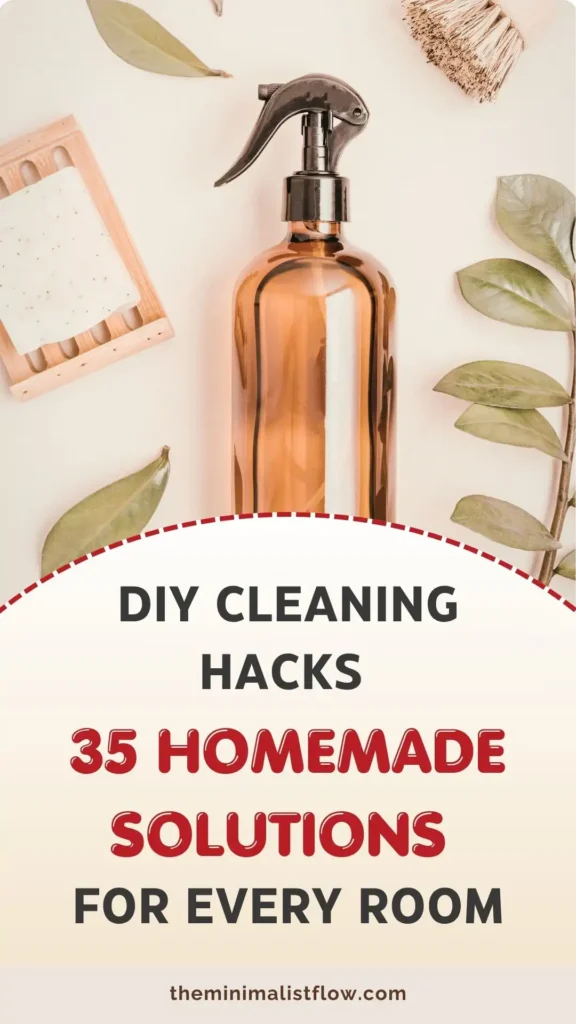
Save this pin for later!
Q&A: Natural Cleaning Products
1. Do homemade cleaning products actually disinfect?
White vinegar has documented antimicrobial properties against some bacteria. It is not a broad-spectrum disinfectant and should not be relied on for surfaces that need hospital-grade disinfection. For everyday clean home maintenance, it is effective. For surfaces exposed to raw meat or illness, use a proper disinfectant.
2. Why should I not mix baking soda and vinegar?
Because the reaction neutralizes both, leaving essentially salt water. Both ingredients are more effective used separately on different tasks rather than combined.
3. Does vinegar damage any surfaces?
Yes. Natural stone (marble, granite, limestone), and some metals. Never use vinegar on marble or granite. Use castile soap and water on stone surfaces instead.
4. Is castile soap worth buying?
Yes. One bottle lasts a very long time because it is highly concentrated. A few drops in water makes a floor cleaner, a few drops on a cloth makes a surface cleaner, a little more makes a dish soap substitute. It is genuinely a multipurpose product that replaces several commercial ones.
5. What is the most useful single quick deep cleaning hack on this list?
The all-purpose vinegar spray. Make it once and use it for two weeks on everything. It is the highest-return item in terms of effort invested versus surfaces cleaned.
Recommended Reading
- Cook Without the Chaos: 9 Kitchen Cleaning Hacks That Keep the Mess Under Control While You Cook for keeping the kitchen clean daily without a separate deep clean routine
- The 30-Day Declutter Challenge for Busy Moms because a home with less in it is a home that is faster to clean, and the two projects support each other directly
- Stop Buying Storage Bins You Don’t Need for the same logic applied to organization: fewer things, better maintained, is always easier to manage than more things, sorted
Last Thing
The cleaning supply cupboard in my apartment currently has a glass spray bottle, a bottle of white vinegar, a bag of baking soda, castile soap, and a lemon. That is it. The space it used to take up is now a shelf for things I actually need.
A clean home is not the result of the right products. It is the result of regular small actions with simple tools. The 35 hacks in this list are exactly that: small, fast, and useful without requiring anything complicated.
Which of these are you trying first?
You May Also Like
-
Sweater Outfits: 11 Fresh Ways to Wear One Burgundy Sweater All Winter
In this post I’ll show you how to wear one burgundy sweater 11 different ways, from a Monday at the office to Christmas Eve dinner. You’ll also find color pairs, the mistakes that make a knit look tired, and simple care tips that keep it soft for years.
-
Christmas Savings Challenge: A Printable Tracker for Weekly and Biweekly Paydays
This christmas savings challenge turns the cost of December into small, planned amounts you set aside from now until the holidays. You’ll find 8 simple challenges with the real math for weekly and biweekly paydays, plus a free printable tracker to color in.
-
Christmas Mantle Ideas: 13 Calm Looks With Zero Clutter
These christmas mantle ideas help you build an elegant fireplace display that looks calm instead of crowded. You’ll find 13 looks, from a lush garland with burgundy velvet to a mantel with a TV above it, plus color pairs and the mistakes worth skipping.









I always leave this blog feeling inspired and motivated to make positive changes in my life Thank you for being a constant source of encouragement
Thank you for your feedback. Please come back again sometime!